Fashion & Style Glossary
Learn the terms and concepts that professional stylists use, helping you understand and develop your personal style.
Bangkok & Tropical
Bangkok Dress Codes: What to Wear Everywhere
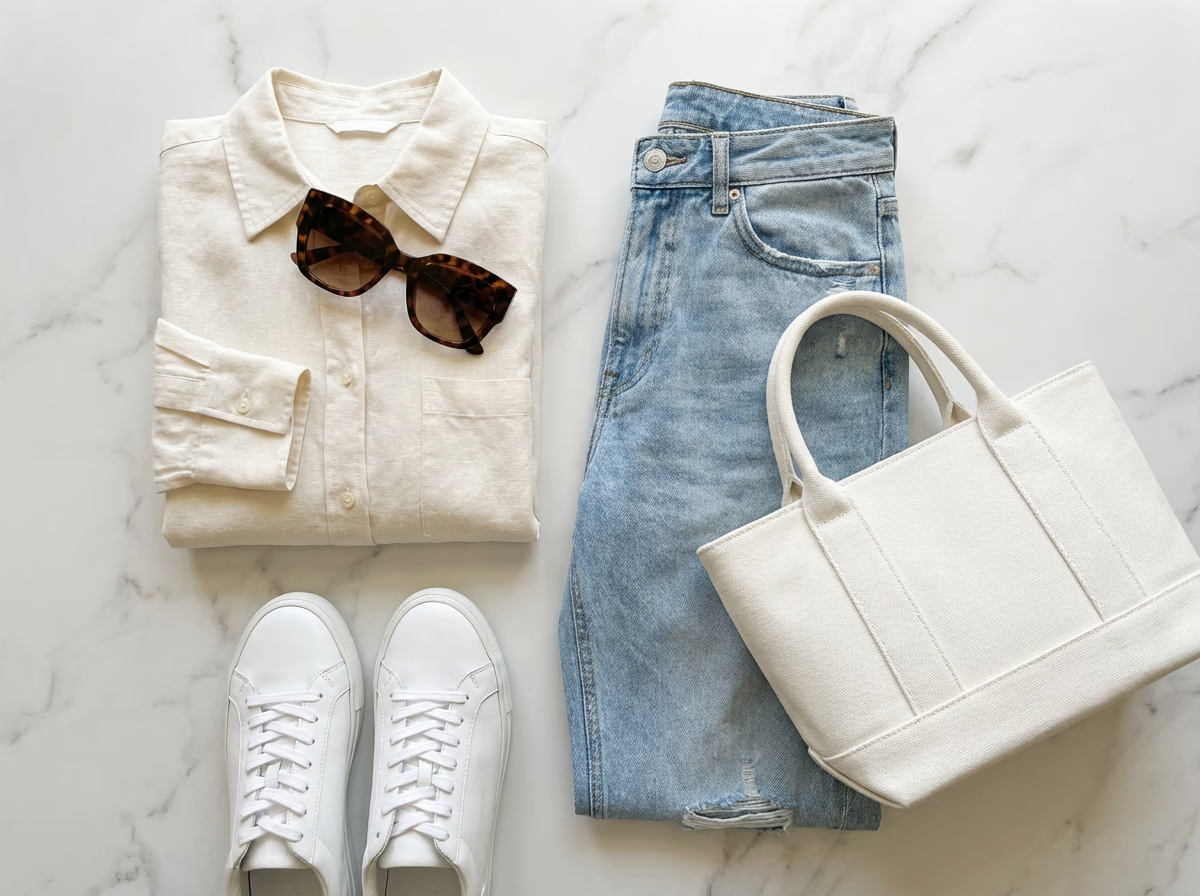
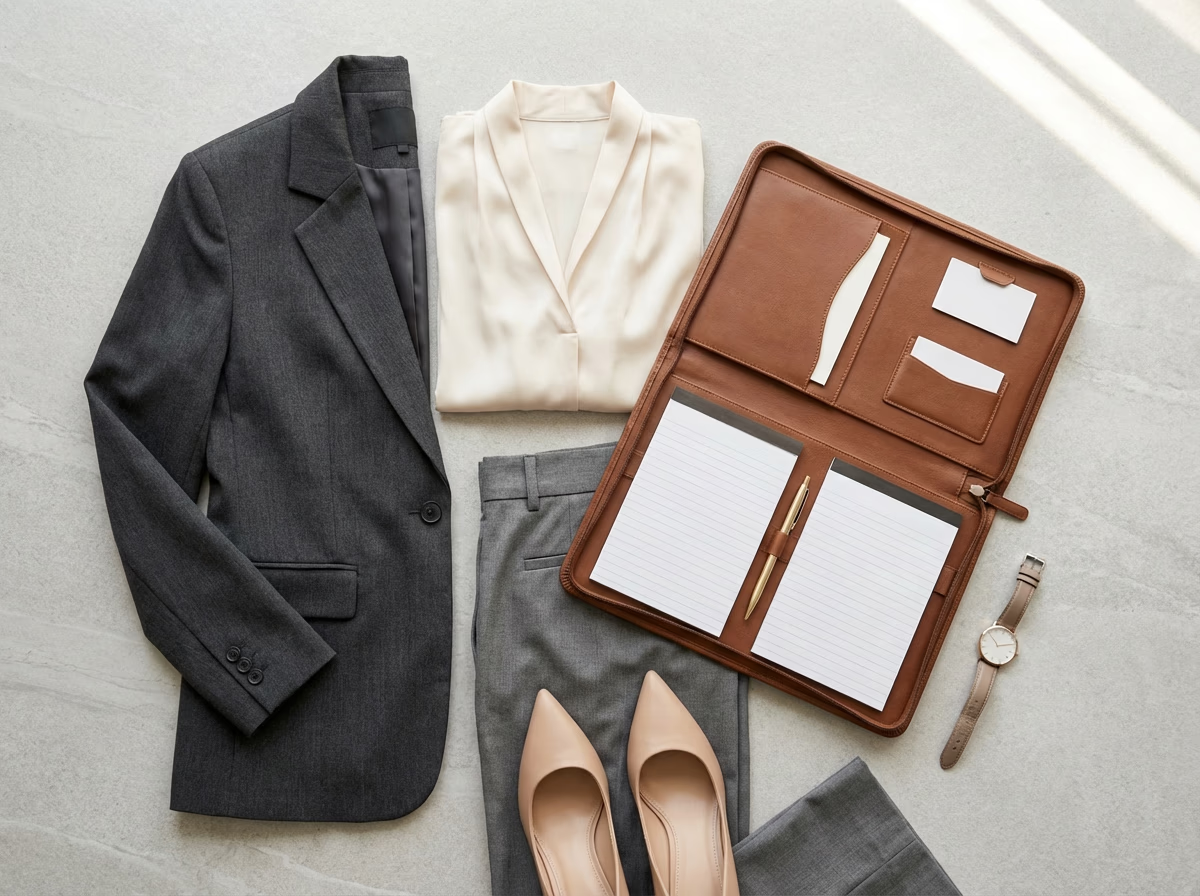
Bangkok dress codes vary widely by venue and context, from strict temple coverage rules to smart-casual rooftop bars and relaxed street markets. Understanding these unwritten rules helps you dress appropriately and gain entry to any Bangkok destination without awkward wardrobe surprises.
Expat Wardrobe Essentials
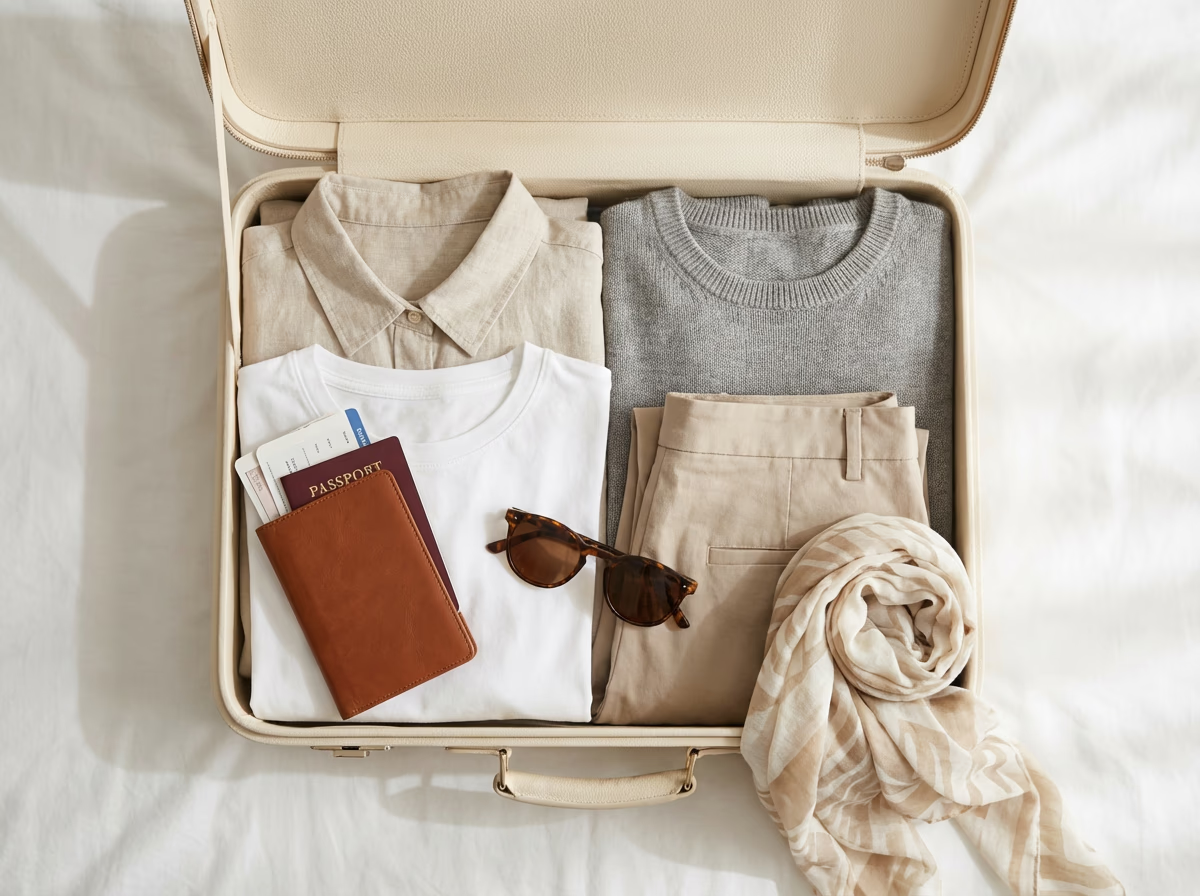
Expat wardrobe essentials are the foundational clothing pieces needed when relocating to a new country and climate. For tropical destinations like Bangkok, this means breathable fabrics, versatile smart-casual pieces, and culturally appropriate options that reduce the need to rebuild your entire closet from scratch.
Temple Dress Code in Thailand
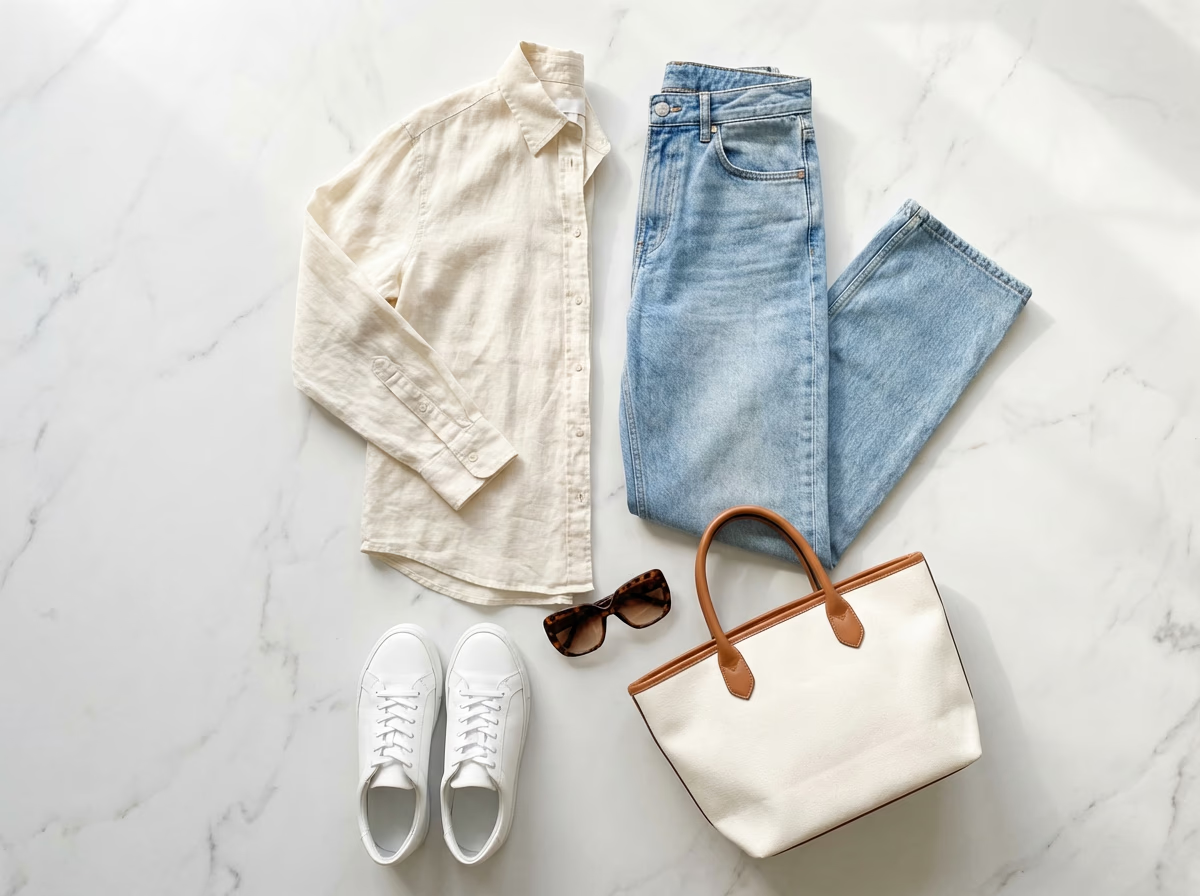
The temple dress code in Thailand requires visitors to cover shoulders and knees with non-see-through clothing. Both men and women must avoid shorts, tank tops, and revealing garments. Some temples provide cover-ups, but bringing your own ensures a respectful, stress-free visit.
Humidity-Proof Fabrics
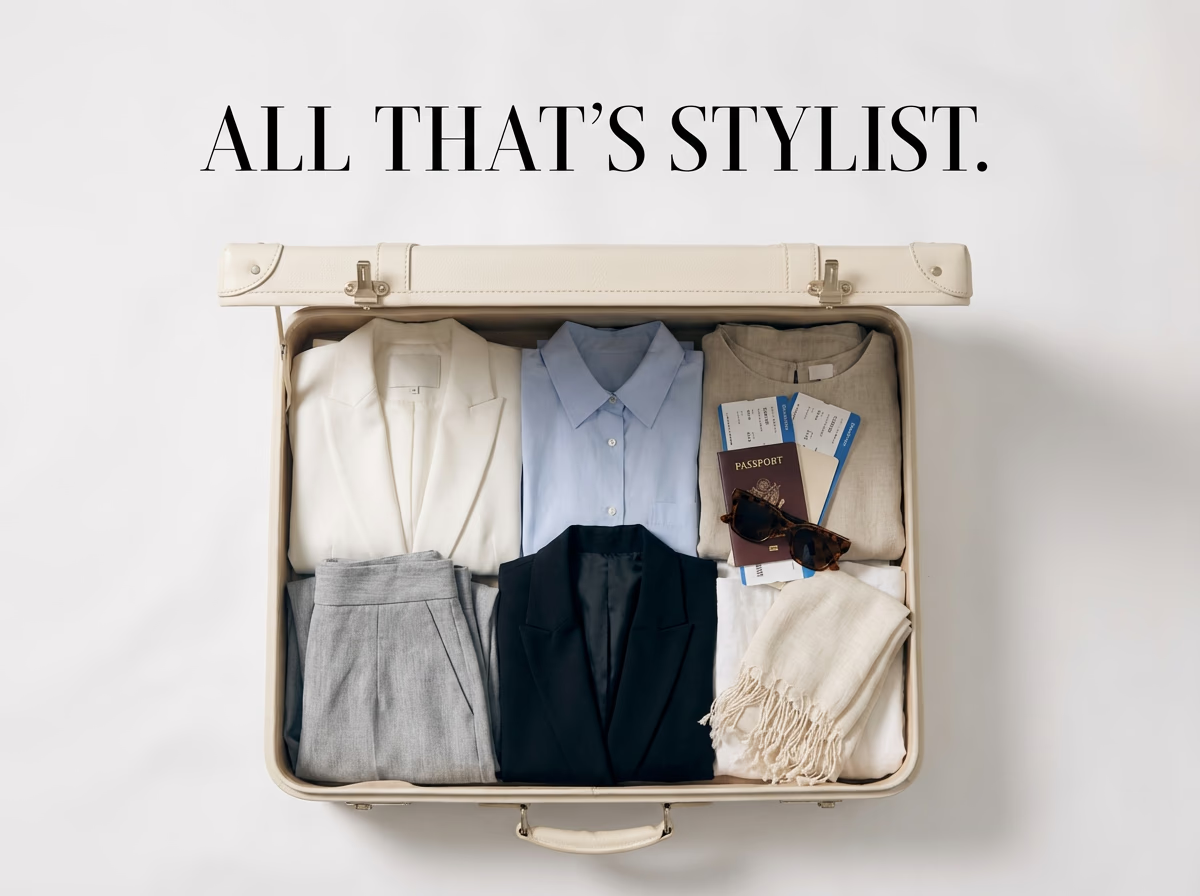
Humidity-proof fabrics are textiles that manage moisture, dry quickly, and resist clinging to the body in high-humidity conditions. The best options include linen, Tencel, cotton voile, and tropical-weight wool, while polyester and rayon tend to trap heat and moisture against the skin.
Packing for Southeast Asia
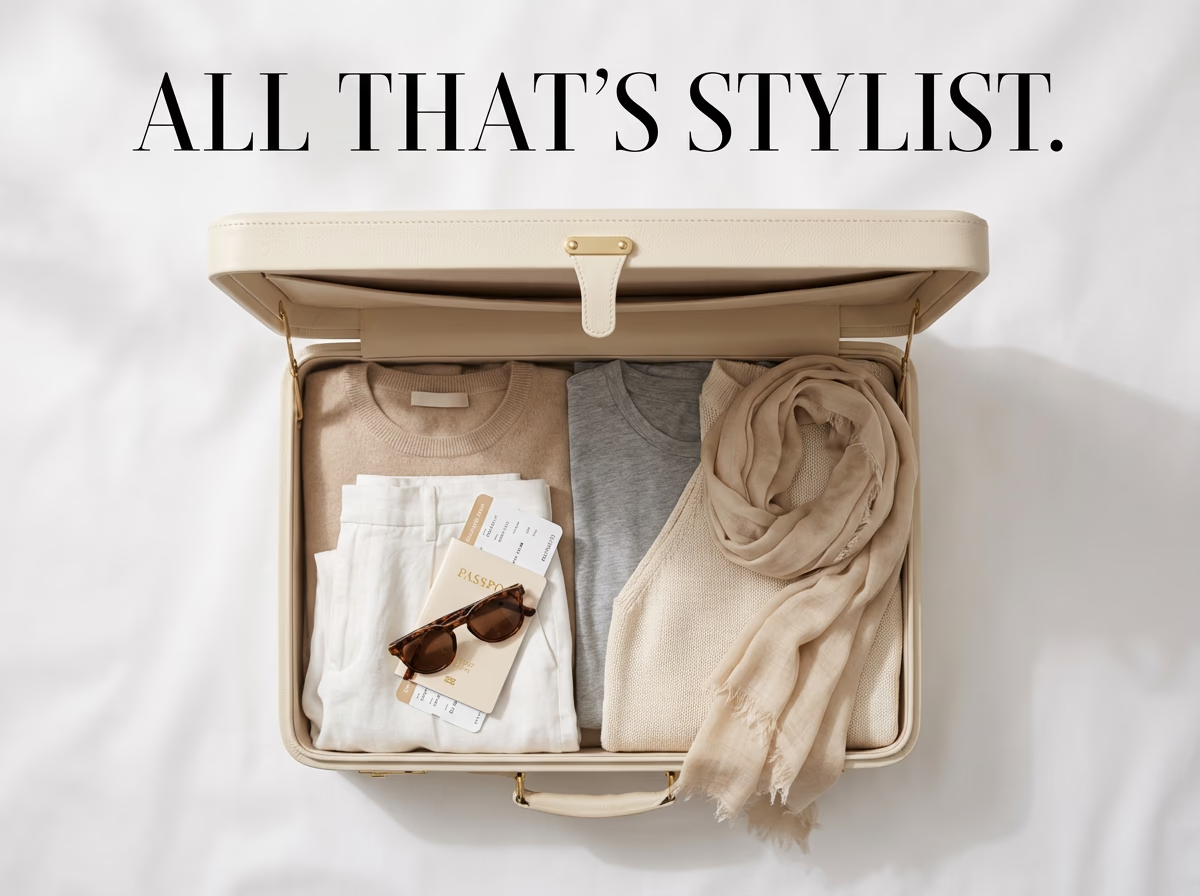
Packing for Southeast Asia means building a compact capsule travel wardrobe of breathable, versatile pieces that handle temples, beaches, cities, and nightlife across multiple countries. The key is lightweight fabrics, modest coverage options, and pieces that mix and match to create different looks from a small suitcase.
Transitional Dressing: AC to Heat
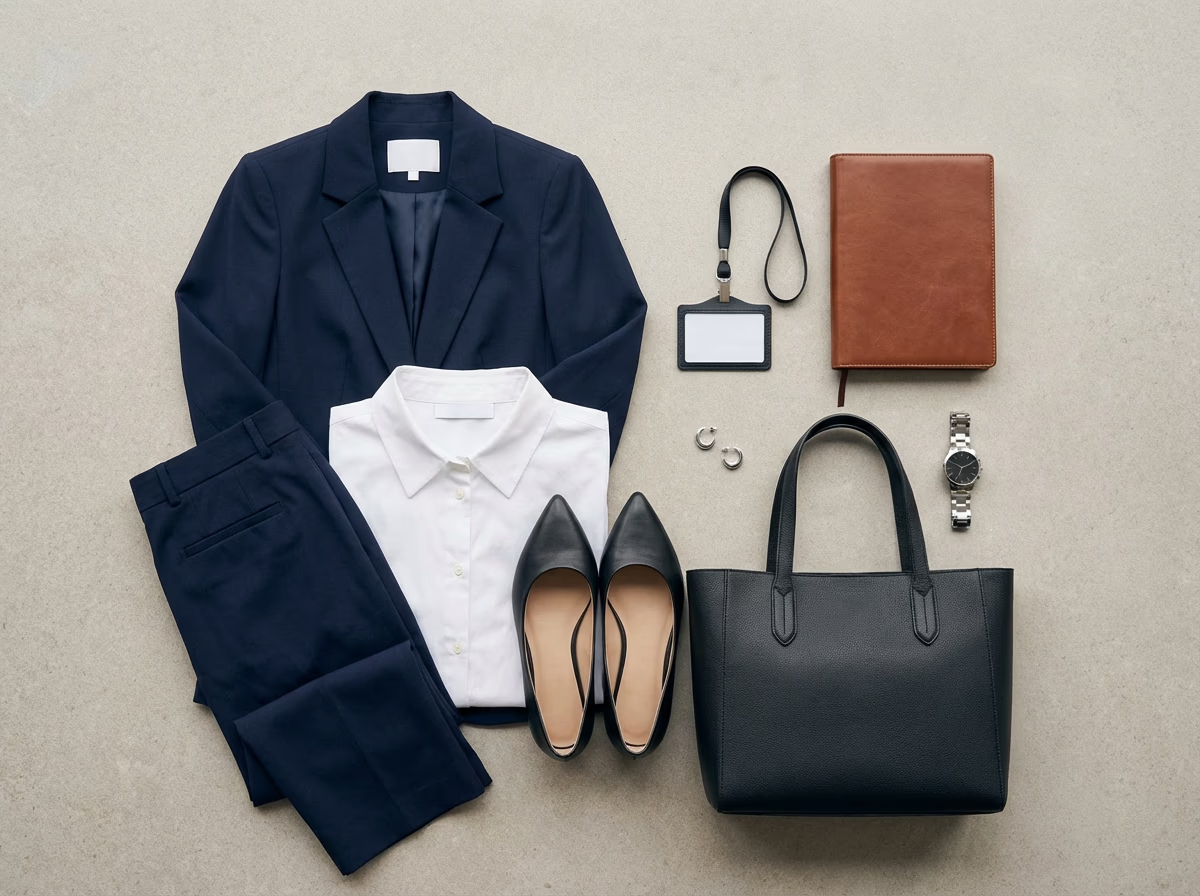
Transitional dressing for AC-to-heat environments means building outfits that handle extreme indoor air conditioning and outdoor tropical heat without requiring a full outfit change. It relies on lightweight layers, breathable base pieces, and strategic accessories like scarves and cardigans that compress easily.
Styling Services
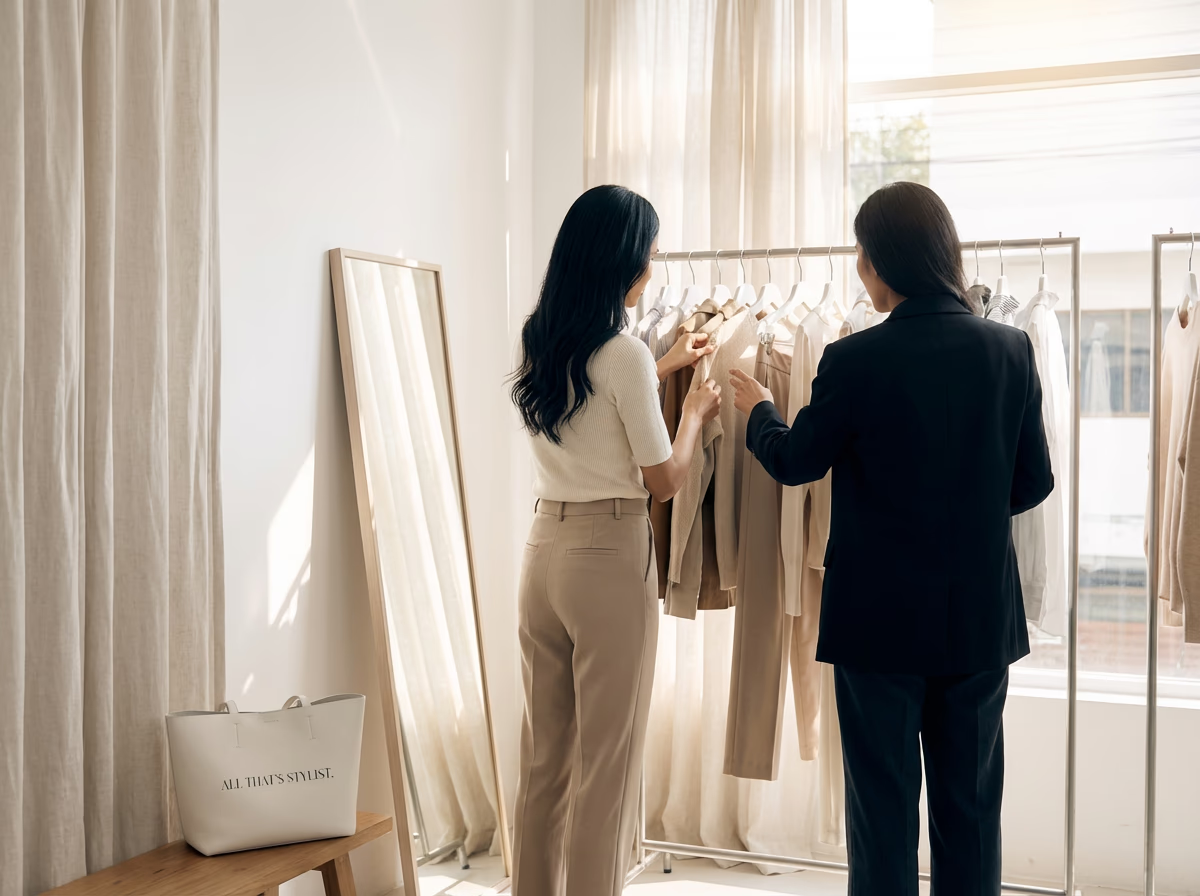
Personal Shopping Service
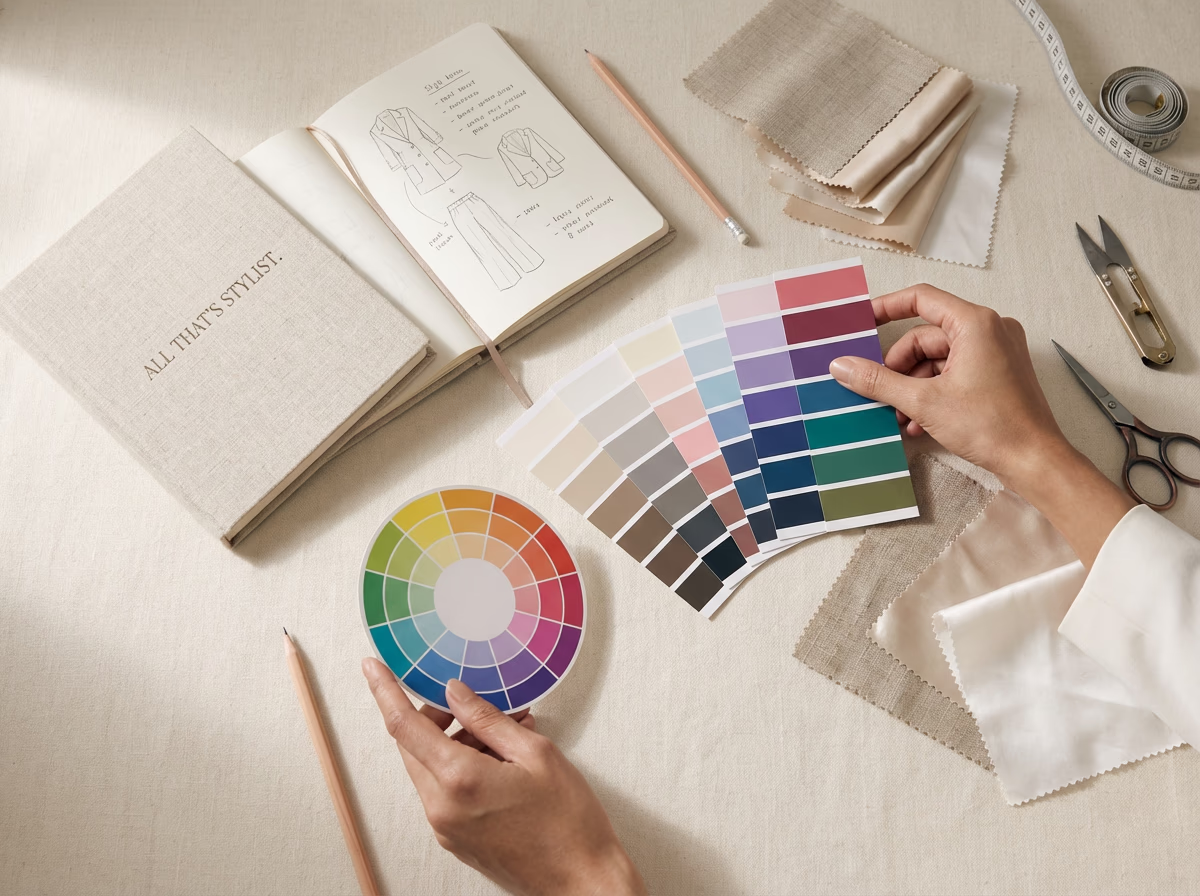
A personal shopping service provides a professional shopper who selects and purchases clothing on your behalf based on your style, body, budget, and needs. Unlike personal styling, which focuses on overall wardrobe strategy, personal shopping is specifically about finding and acquiring the right pieces — saving you hours of browsing and decision fatigue.
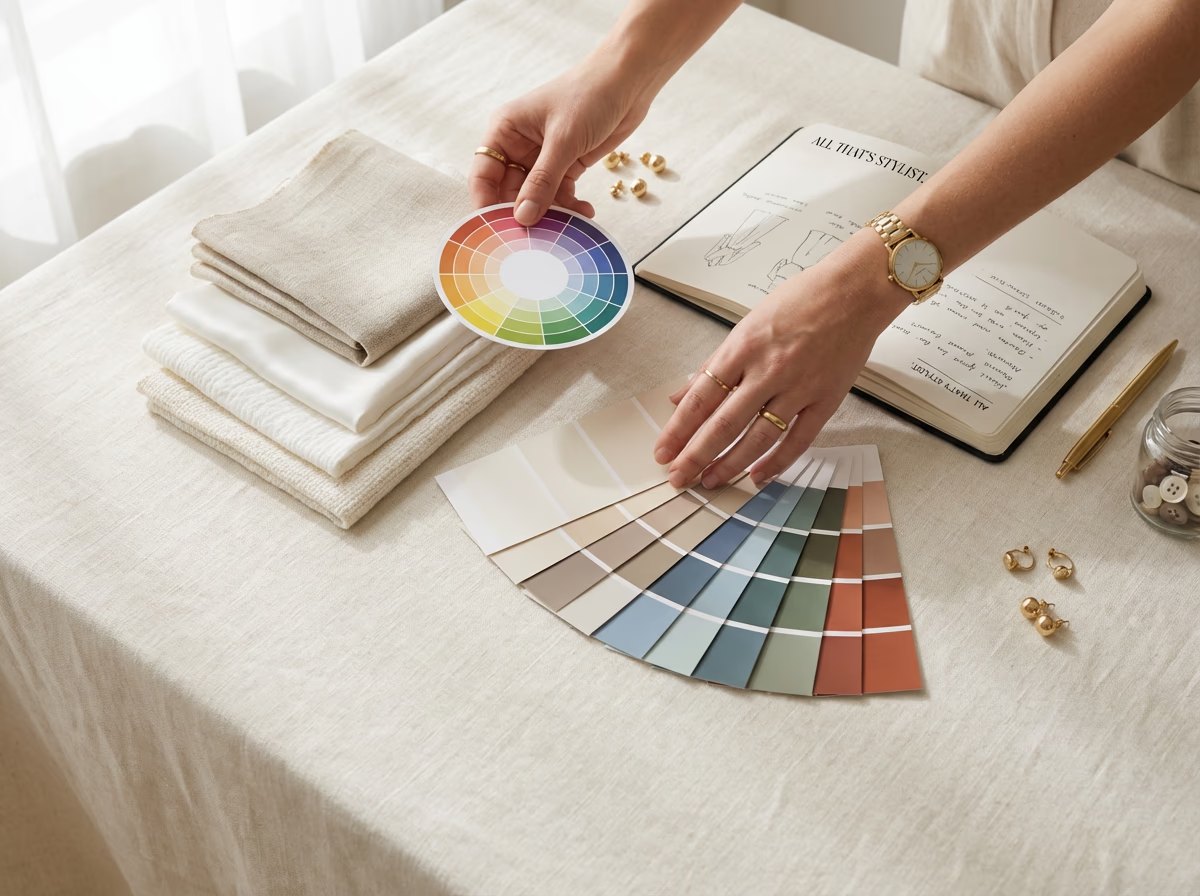
Style Consultation
A style consultation is a structured session with a professional stylist who assesses your body shape, coloring, lifestyle, and goals to create a personalized style direction. It typically covers color analysis, body proportion guidance, wardrobe gaps, and a clear action plan for building a cohesive, functional wardrobe.
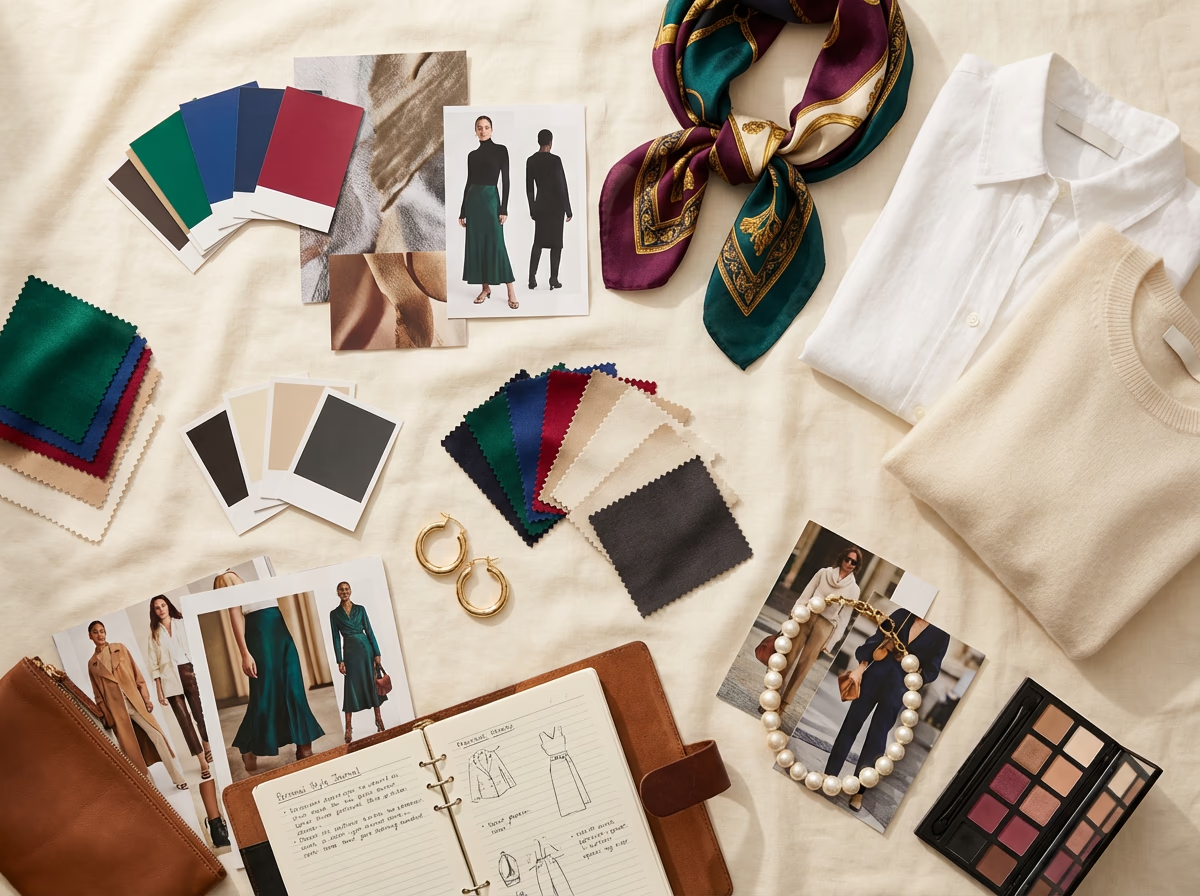
Style Profile
A style profile is a comprehensive map of your fashion identity created by a professional stylist. It goes beyond simple labels like "classic" or "bohemian" to capture your color palette, body proportions, lifestyle needs, texture preferences, and aesthetic values — forming the blueprint for every wardrobe decision.

Virtual Styling
Virtual styling is a remote personal styling service conducted via video call, messaging, or a combination of both. A professional stylist reviews your wardrobe, provides outfit recommendations, and guides shopping decisions without being physically present — making expert styling accessible regardless of your location.

Personal Lookbook
A personal lookbook is a curated visual guide of pre-styled outfits created by a professional stylist using your own clothing. It serves as a daily reference for getting dressed quickly and confidently, typically delivered as a digital document or app with photos and notes for each outfit combination.
Wardrobe Strategy
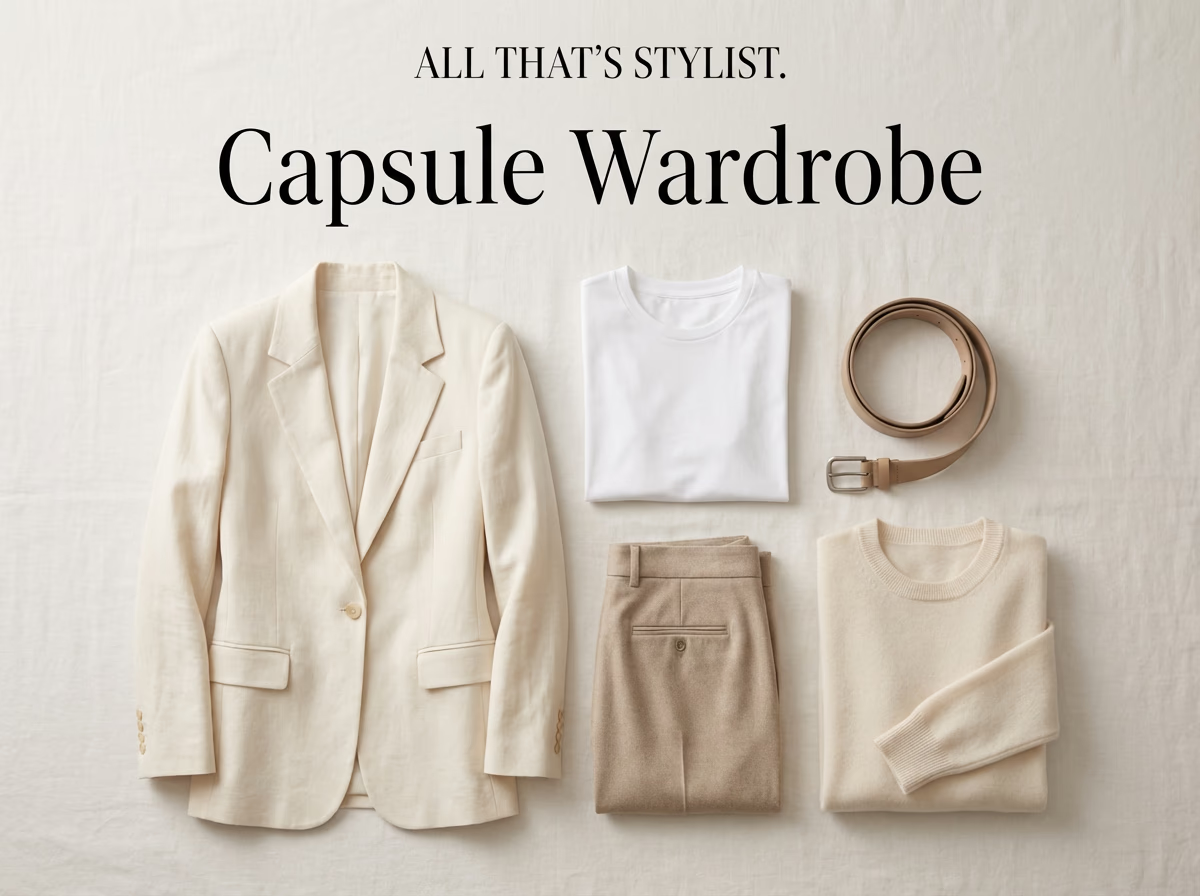
Wardrobe Audit
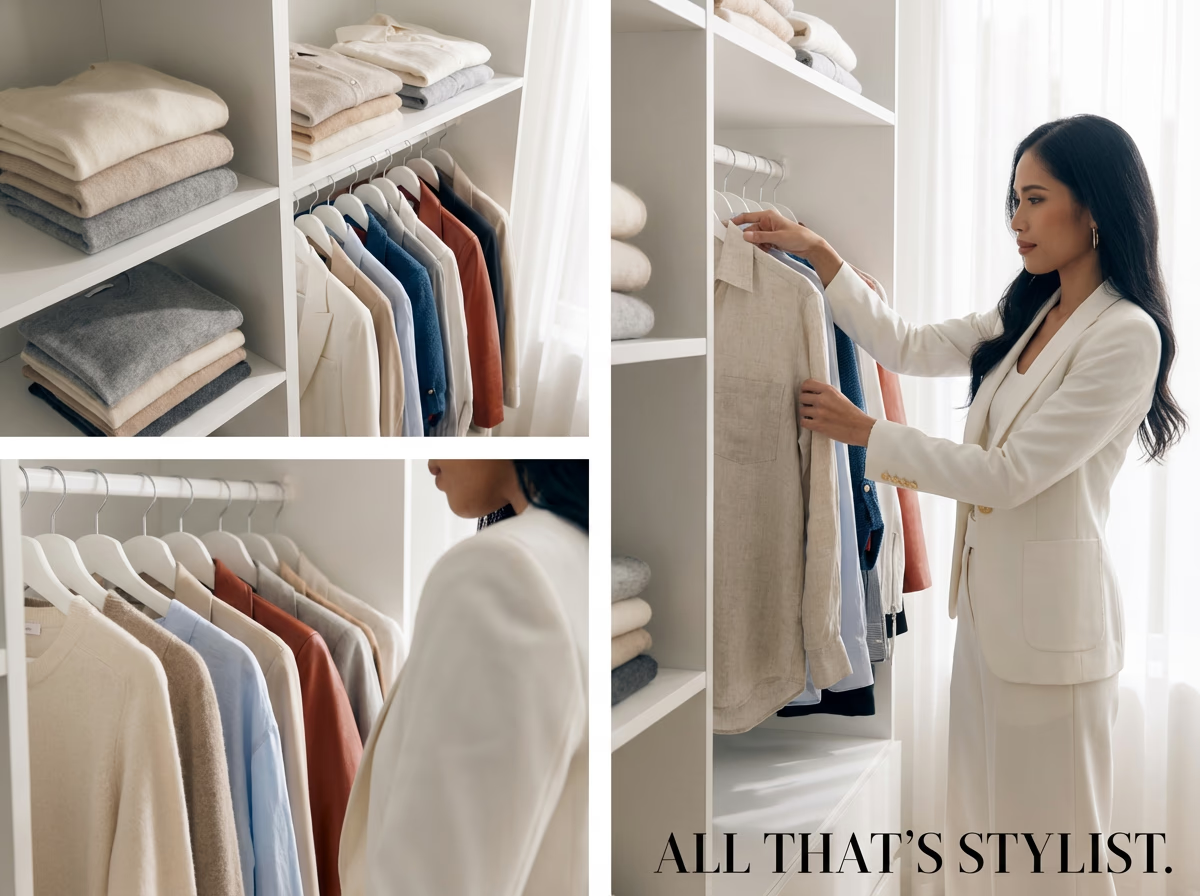
A wardrobe audit is a systematic evaluation of every item in your closet conducted by a professional stylist. It assesses fit, condition, relevance, and versatility of each piece, resulting in a clear keep-alter-donate decision for every garment and a targeted shopping list for identified gaps.
Closet Edit
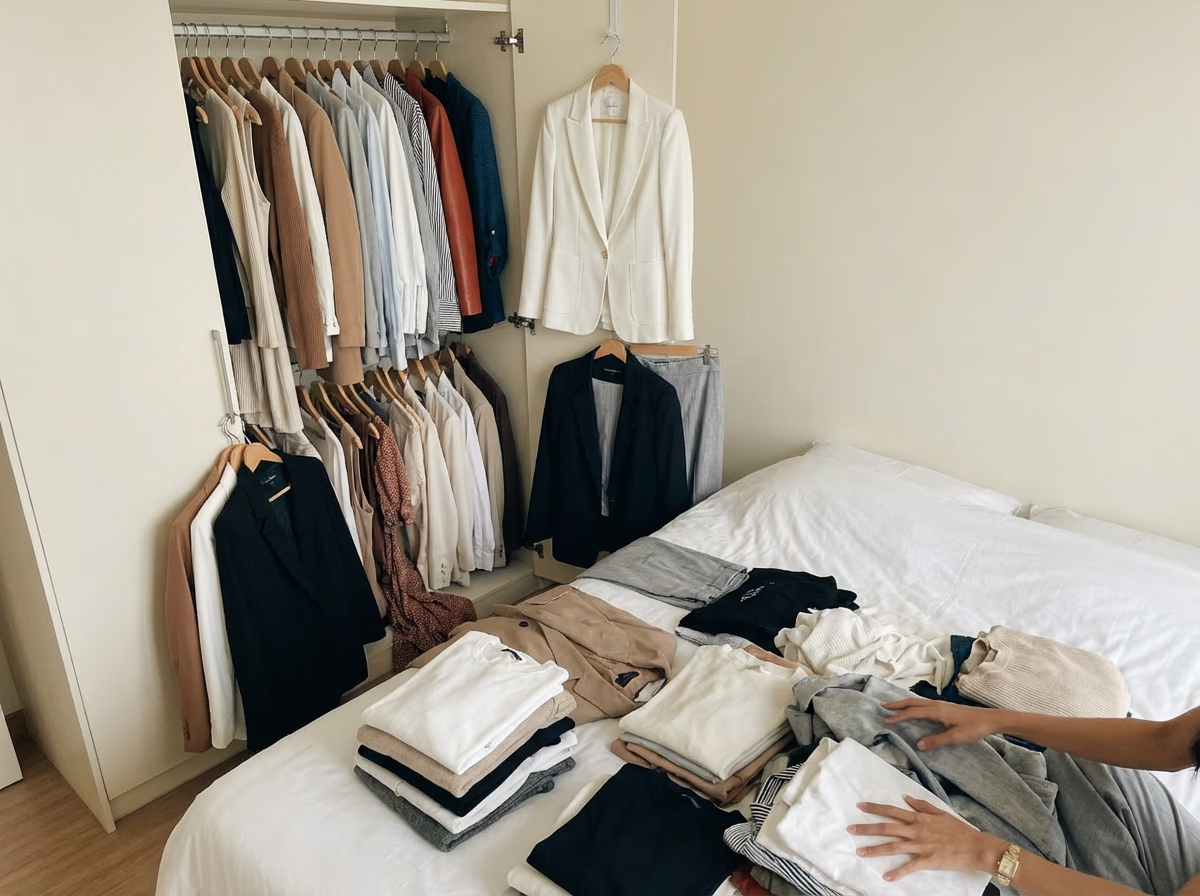
A closet edit is the focused process of removing items from your wardrobe that no longer serve you — pieces that do not fit, are damaged, or fail to align with your current style and lifestyle. Unlike a full wardrobe audit, a closet edit concentrates on decluttering rather than strategic rebuilding, making it a faster but less comprehensive service.
Cost Per Wear
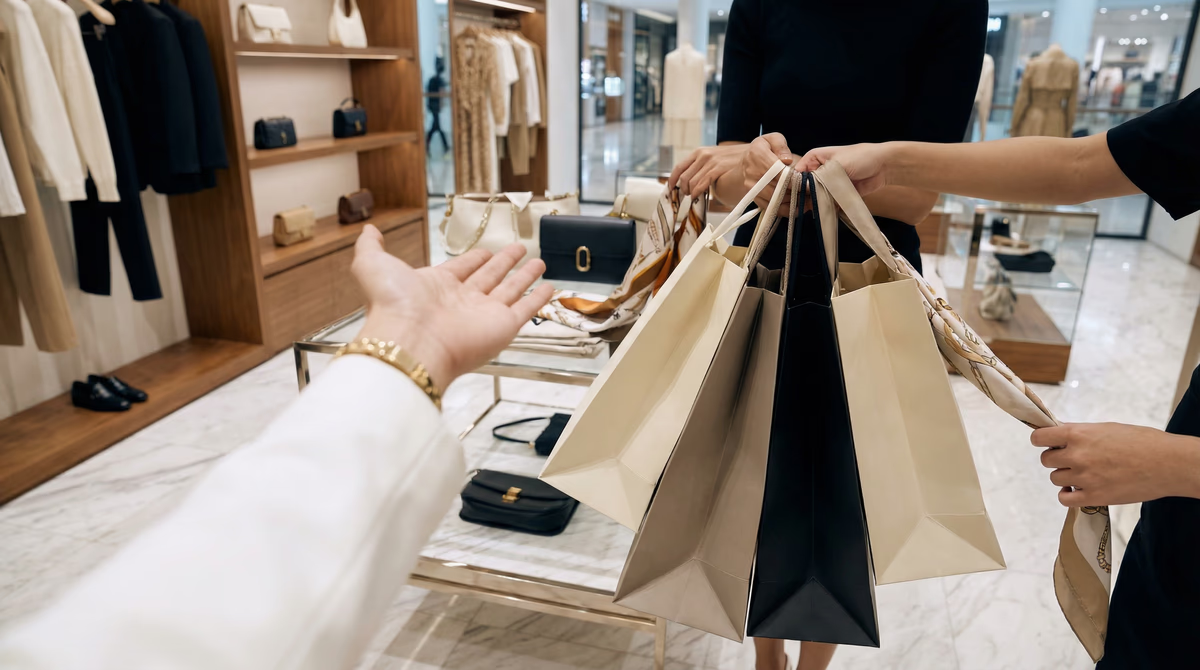
Cost per wear is a simple formula that divides the price of a garment by the number of times you wear it, revealing the true cost of each use. It proves that cheaper items worn rarely are more expensive than quality pieces worn frequently, fundamentally changing how smart shoppers evaluate clothing purchases.
Outfit Formulas
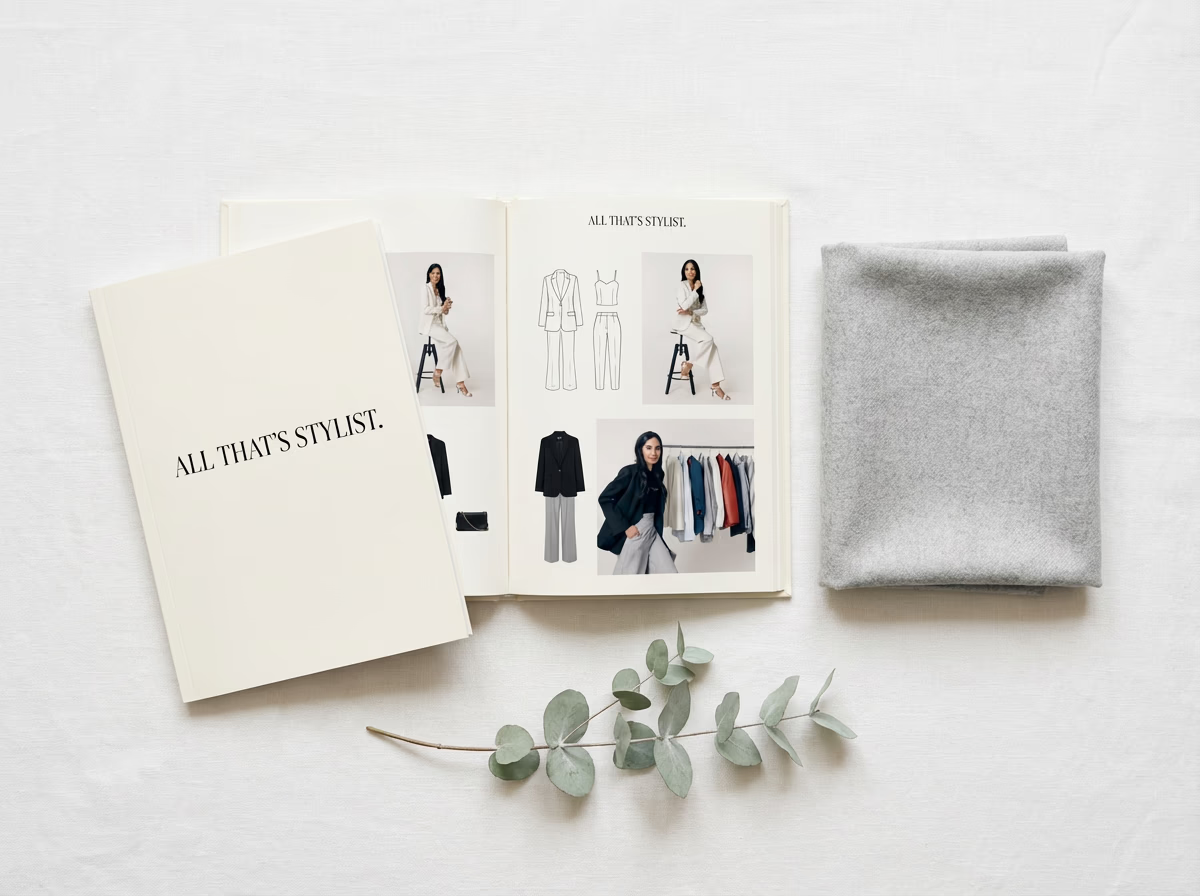
An outfit formula is a reusable template that combines specific garment types to create a reliably polished look. By memorizing a few proven formulas — such as "tailored trouser + tucked blouse + structured bag" — you eliminate daily decision fatigue and get dressed confidently in minutes, regardless of the occasion.
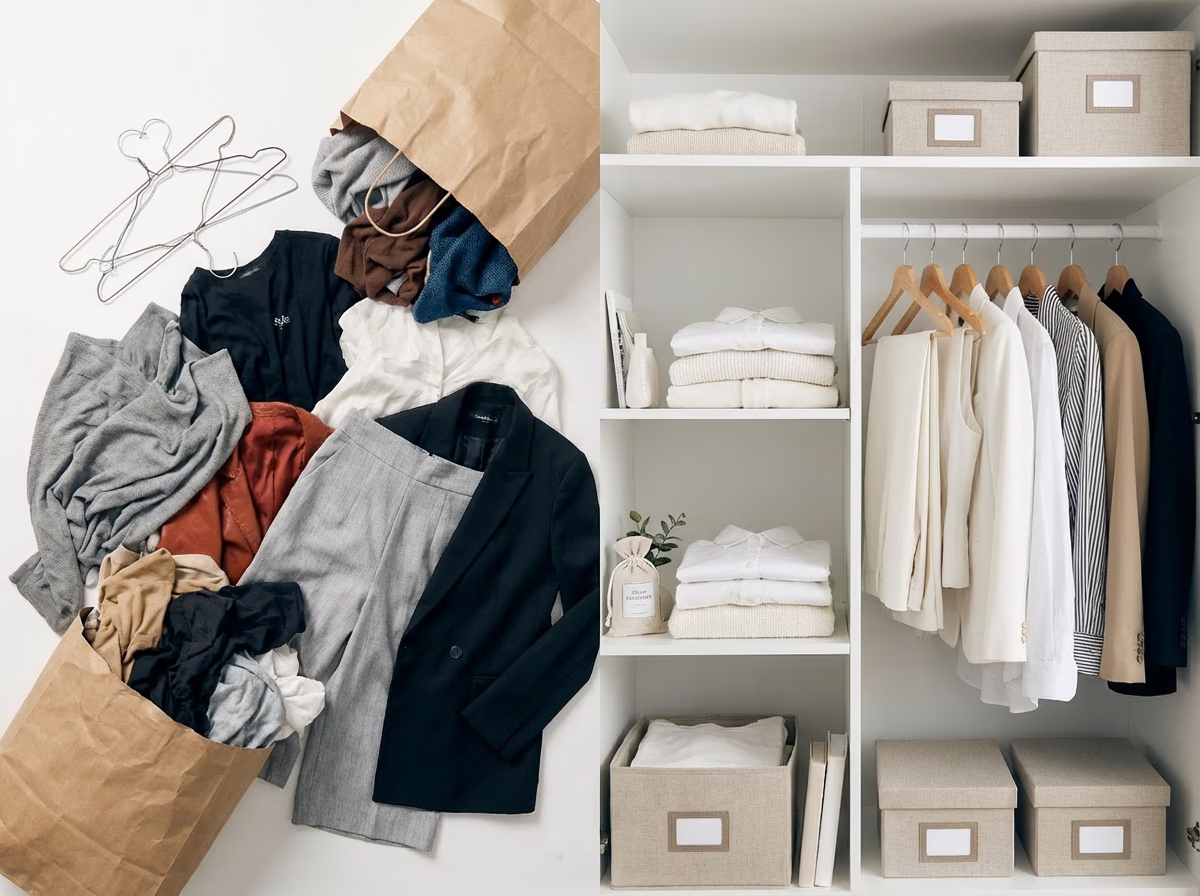
Wardrobe Essentials
Wardrobe essentials are the foundational clothing pieces that form the backbone of a functional closet — versatile, well-fitting items in neutral tones that pair with nearly everything you own. Unlike trend pieces, true essentials earn their place through repeated wear across multiple occasions, seasons, and outfit combinations.
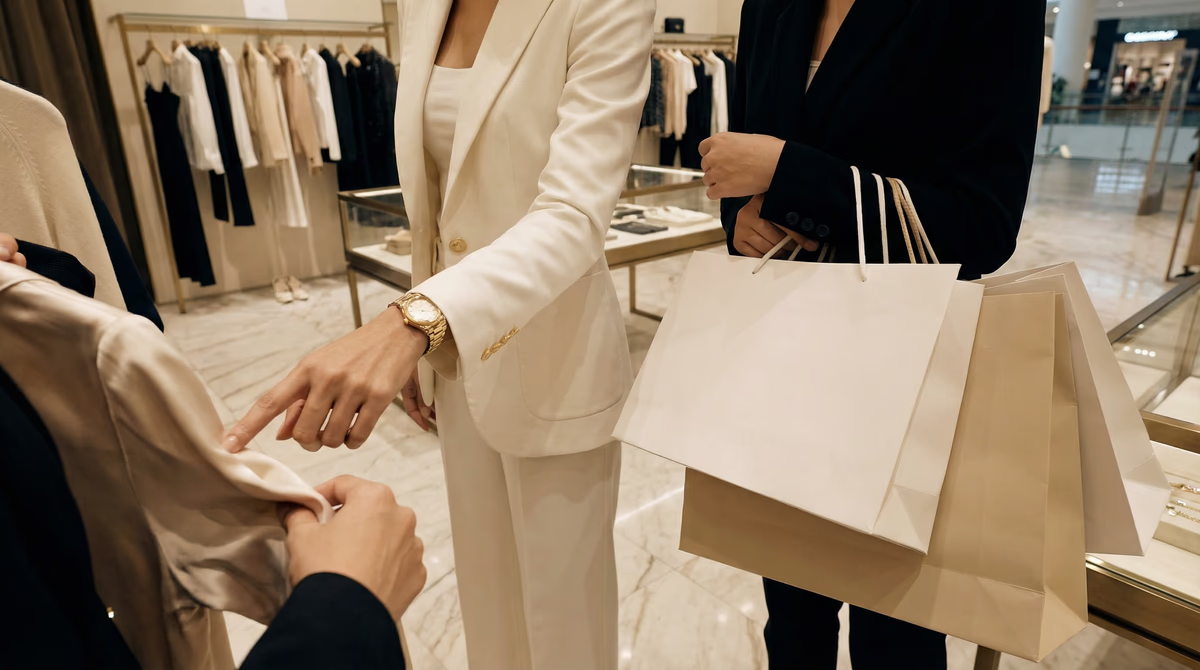
Investment Piece
An investment piece is a high-quality garment or accessory purchased with the expectation that its superior construction, timeless design, and versatility will deliver a lower cost per wear over years of use. True investment pieces resist trends, maintain their shape, and become wardrobe anchors rather than closet clutter.
Color Analysis
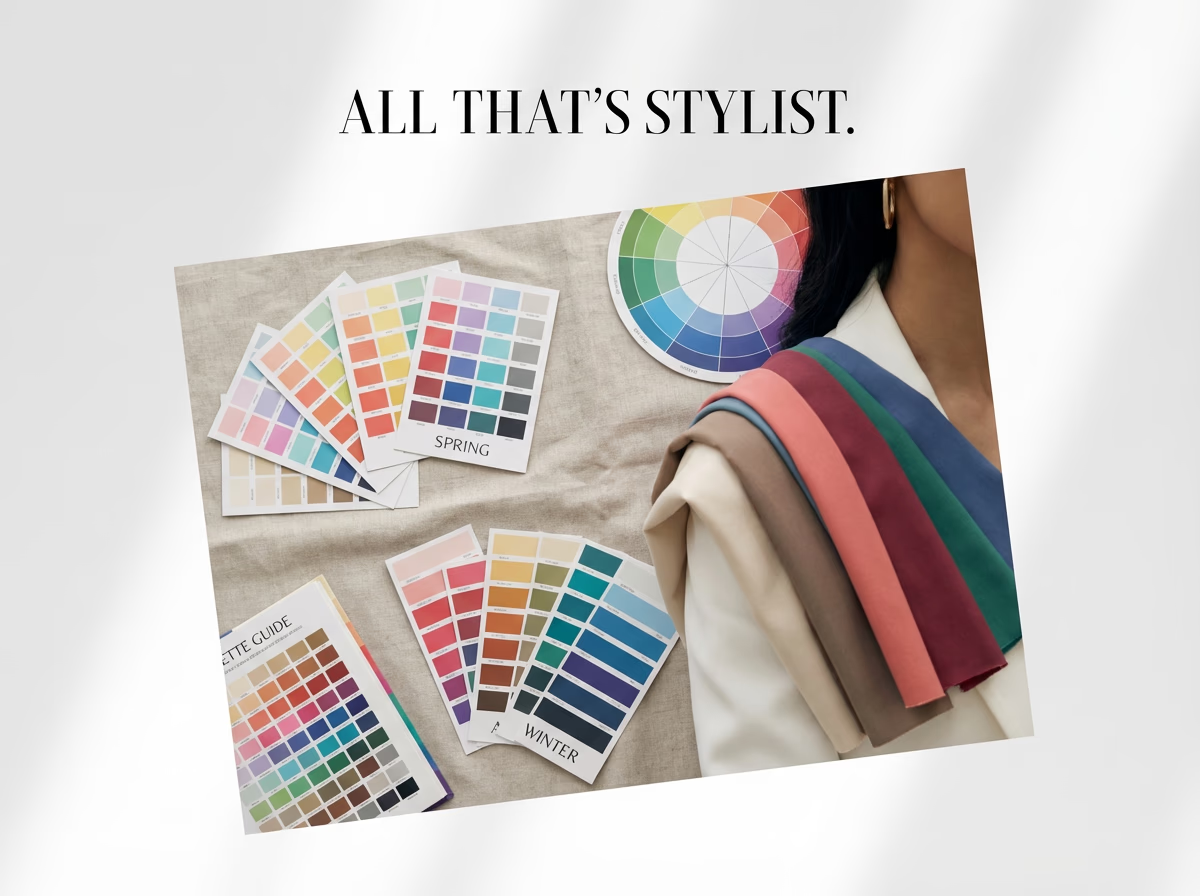
Personal Color Analysis
Personal color analysis is a professional assessment that identifies which colors complement your natural skin tone, hair, and eye color. Using fabric draping or digital analysis, a stylist determines your seasonal color type and creates a personalized palette that makes you look healthier, more vibrant, and more polished in every outfit.
Read guide12-Season Color Analysis
12-season color analysis is an extended personal color system that divides each of the four classic seasons (Spring, Summer, Autumn, Winter) into three sub-seasons based on whether the dominant quality is light, true, deep, bright, or soft. The result is twelve precise palettes that flatter coloring more accurately than the original four-season model.
Read guide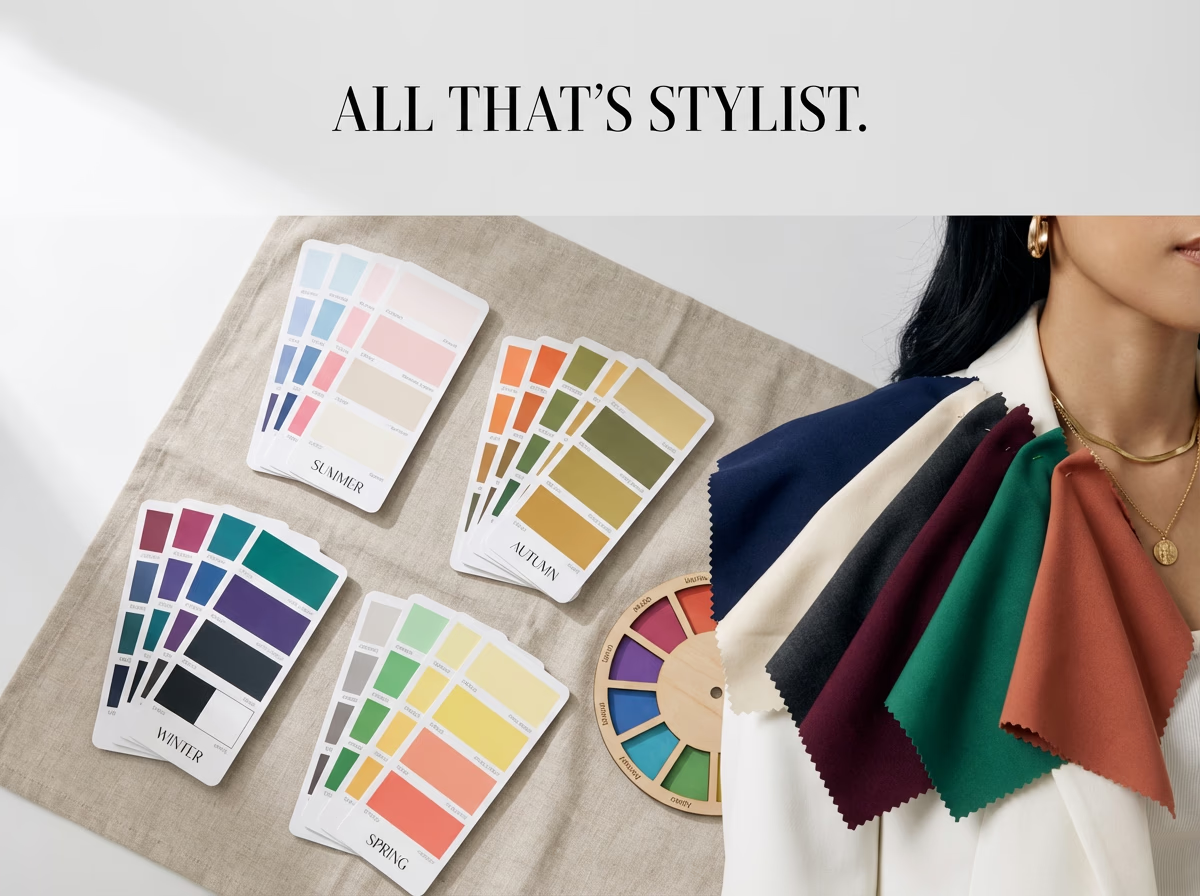
Seasonal Color Types
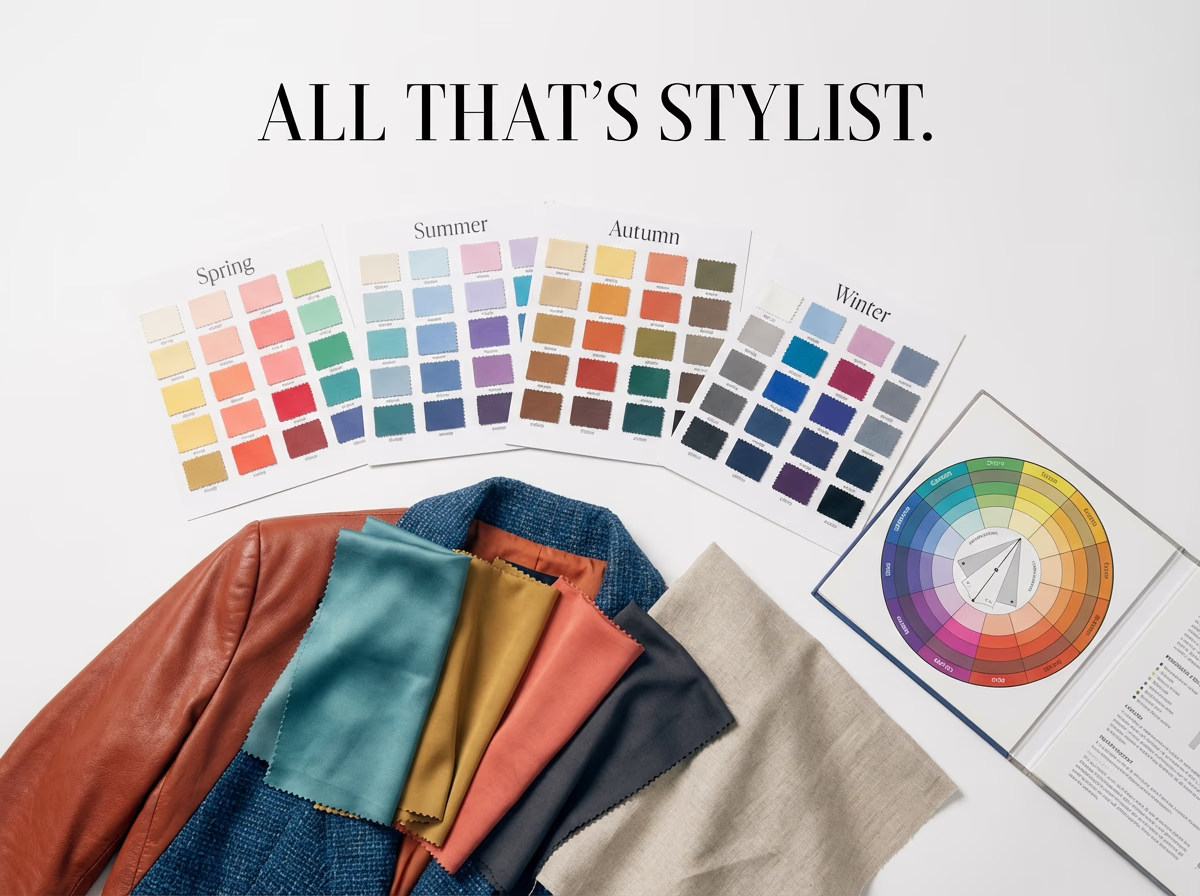
Seasonal color types classify individuals into Spring, Summer, Autumn, or Winter categories based on their natural coloring — skin undertone, hair, and eye color. The expanded 12-season system adds sub-types for greater precision. Your seasonal type determines which color palette makes you look most vibrant and healthy.
Warm vs Cool Undertones
Undertone is the subtle warm or cool hue beneath your skin's surface that does not change with tanning or aging. Warm undertones have golden or peachy casts, cool undertones have pink or bluish casts, and neutral undertones blend both. Your undertone determines which clothing colors, metals, and makeup shades complement your natural coloring.
Chroma
Chroma is the saturation dimension of color — how vivid or muted a hue is. In personal color analysis, chroma describes whether your features call for bright, clear colors or soft, muted ones. Matching the chroma in your clothing to the chroma in your skin, hair, and eyes is what separates a flattering palette from one that washes you out or overpowers you.
Value in Color
Value in color is the light-dark dimension of color — how pale or deep a shade is, independent of its hue. In personal color analysis, value determines whether your features call for icy pales, mid-tones, or rich deeps. Getting value right is what makes a deep winter glow in true black while a light spring looks washed out in the very same color.
Color Draping
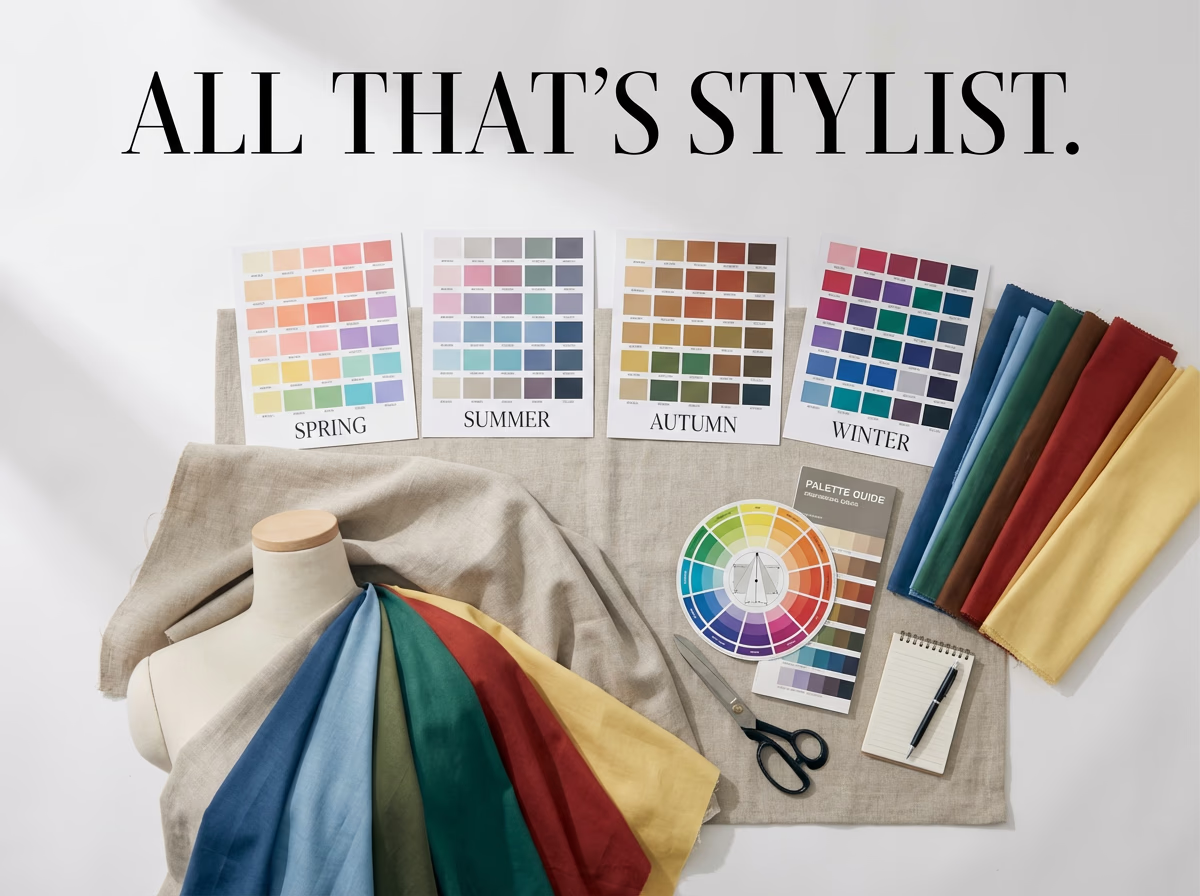
Color draping is the professional technique used in personal color analysis where a stylist holds colored fabric swatches near your face under controlled lighting to observe how each hue affects your skin, eyes, and overall appearance. It is the most accurate method for determining your seasonal color type, far surpassing online quizzes.
Contrast Level Dressing
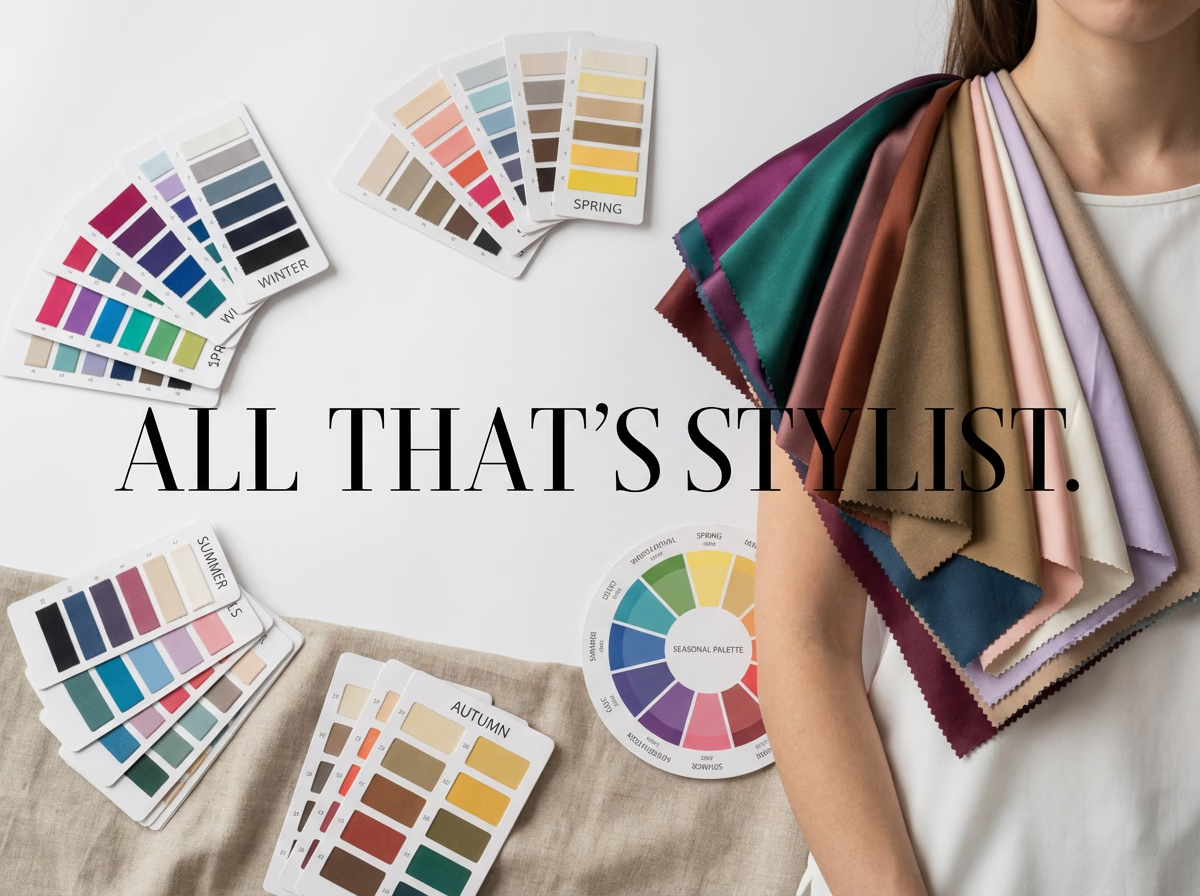
Contrast level dressing is the practice of matching the light-dark contrast in your outfits to the natural contrast between your skin, hair, and eye colors. High-contrast individuals look best in bold color pairings like black and white, while low-contrast individuals suit softer, tonal combinations. Getting contrast right is often more impactful than color alone.
Earth Tones
Earth tones are warm, muted colors derived from natural materials — rust, olive, mustard, terracotta, camel, and chocolate. They are the signature palette of Autumn sub-seasons in personal color analysis and feel grounded and lived-in because their low chroma and warm undertone echo soil, leaves, wood, and clay.
Jewel Tones
Jewel tones are saturated, deep, cool-leaning colors named after precious gemstones — sapphire, ruby, emerald, amethyst, and garnet. They are the signature palette of Winter sub-seasons in personal color analysis and read as luxurious because their high chroma and depth mirror the natural contrast in cool, deep complexions.
Sub-Season
A sub-season is a refinement of one of the four classic color seasons (Spring, Summer, Autumn, Winter) that emphasises a second dimension — light, deep, bright, or soft. Each parent season has three sub-seasons, for twelve in total, giving each person a more precise color palette than the original four-season model can offer.
Body & Proportion
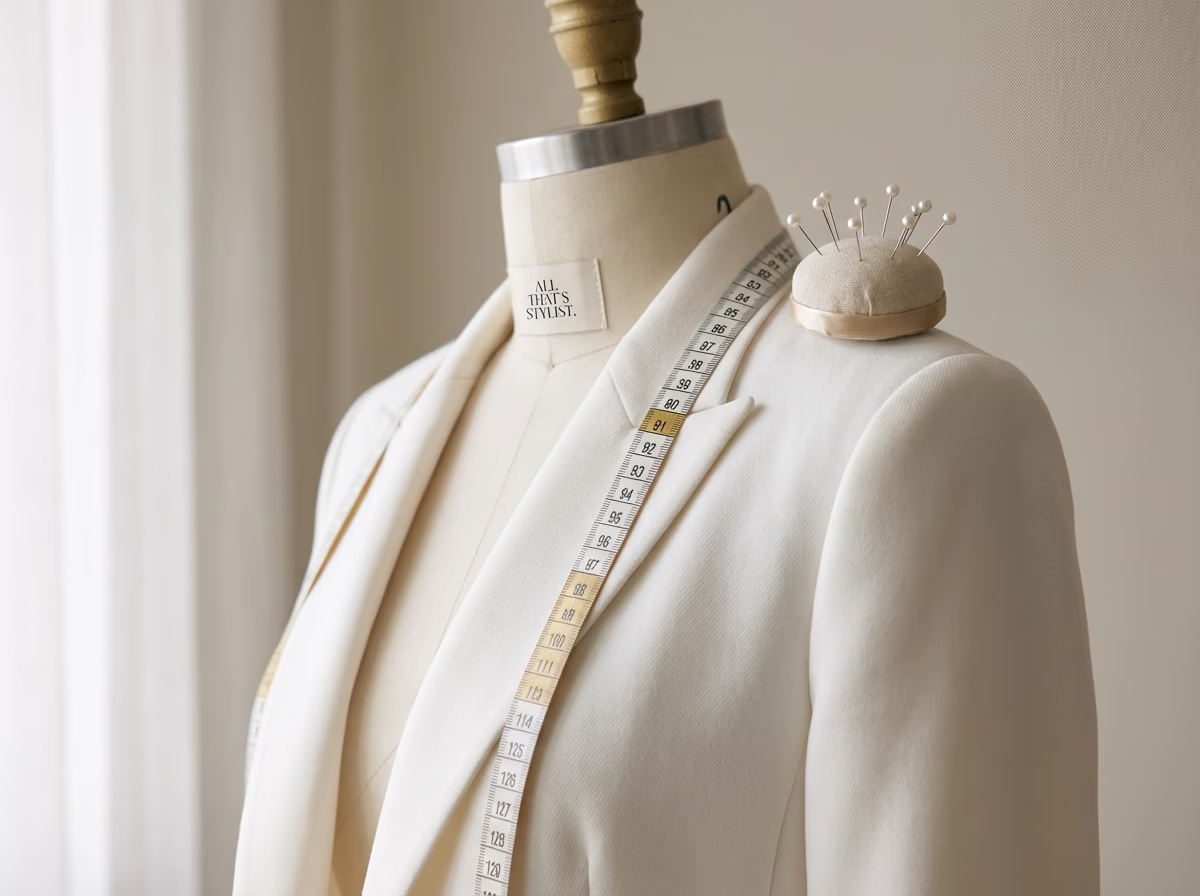
Kibbe Body Types
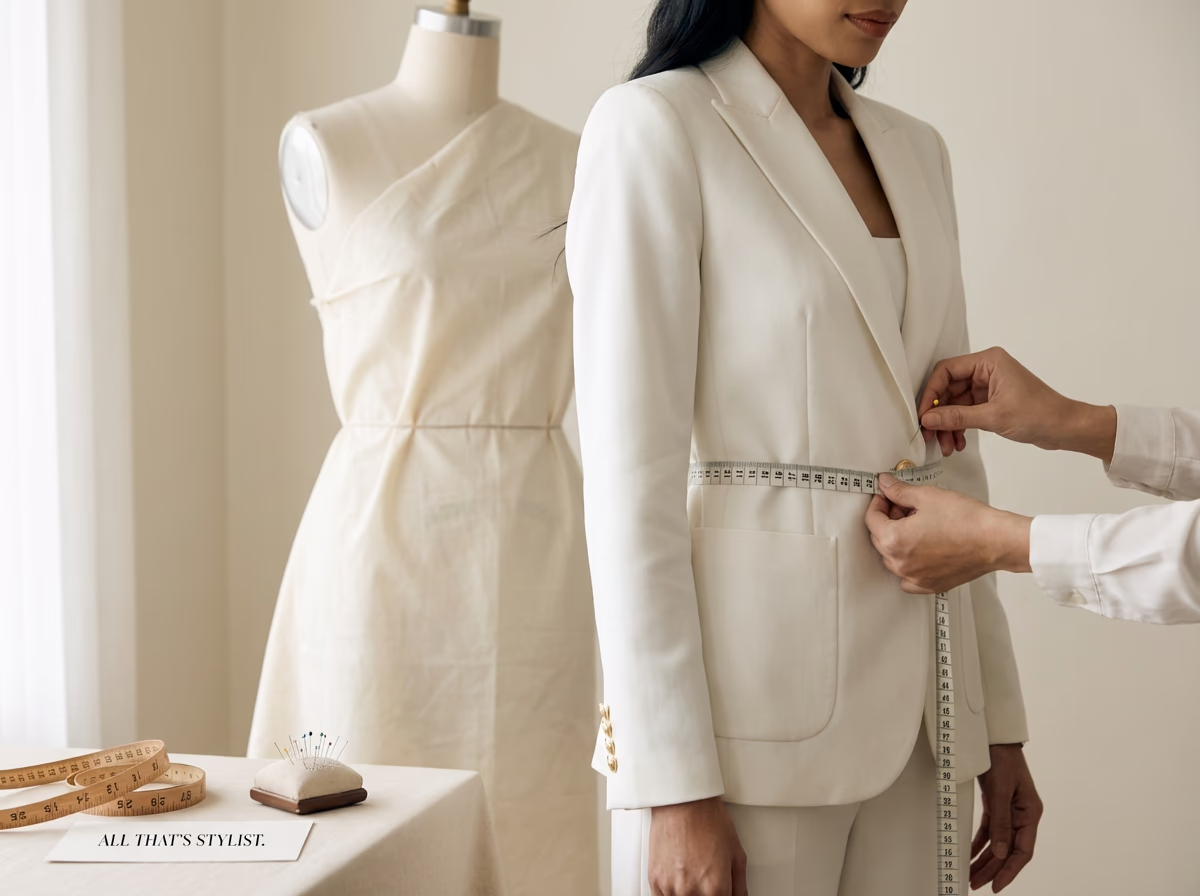
Kibbe body types are a 13-category system created by David Kibbe that classifies individuals based on their balance of yin (soft, rounded) and yang (sharp, angular) physical features. Unlike basic body shape charts, Kibbe considers bone structure, body flesh, and facial features to recommend clothing lines, fabrics, and details that harmonize with your natural appearance.
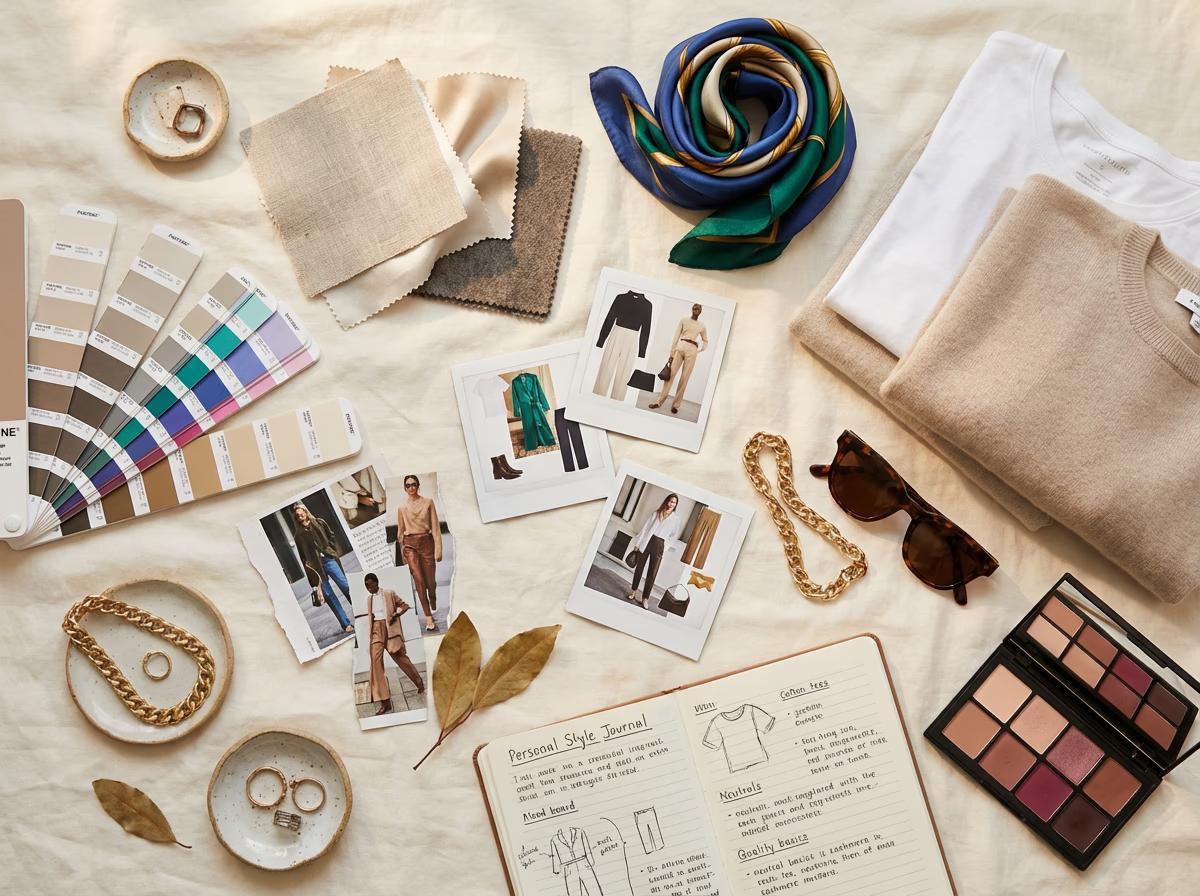
Style Archetypes
A style archetype is a defined fashion personality that captures your aesthetic preferences, visual mood, and dressing instincts. Common archetypes include Classic, Romantic, Dramatic, Natural, Creative, and Rebel. Unlike body typing, archetypes focus on the emotional and visual identity you project — helping you build a wardrobe that feels authentically you.
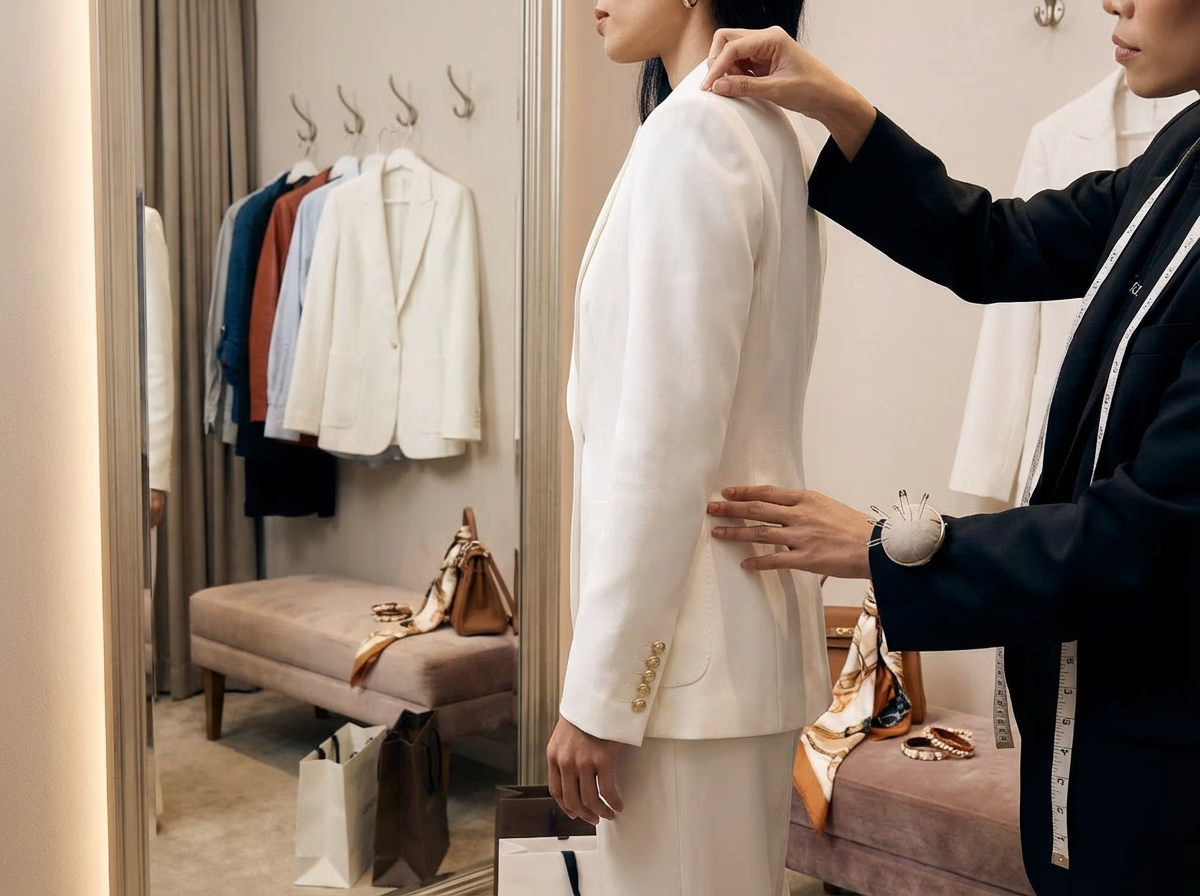
Fit Guide
A fit guide defines how garments should sit on the body for each category of clothing — from where shoulder seams should land to how trousers should break at the shoe. Proper fit is the single most impactful factor in looking polished, more important than brand, price, or trend. Well-fitting clothes flatter every body type, while poor fit undermines even expensive pieces.
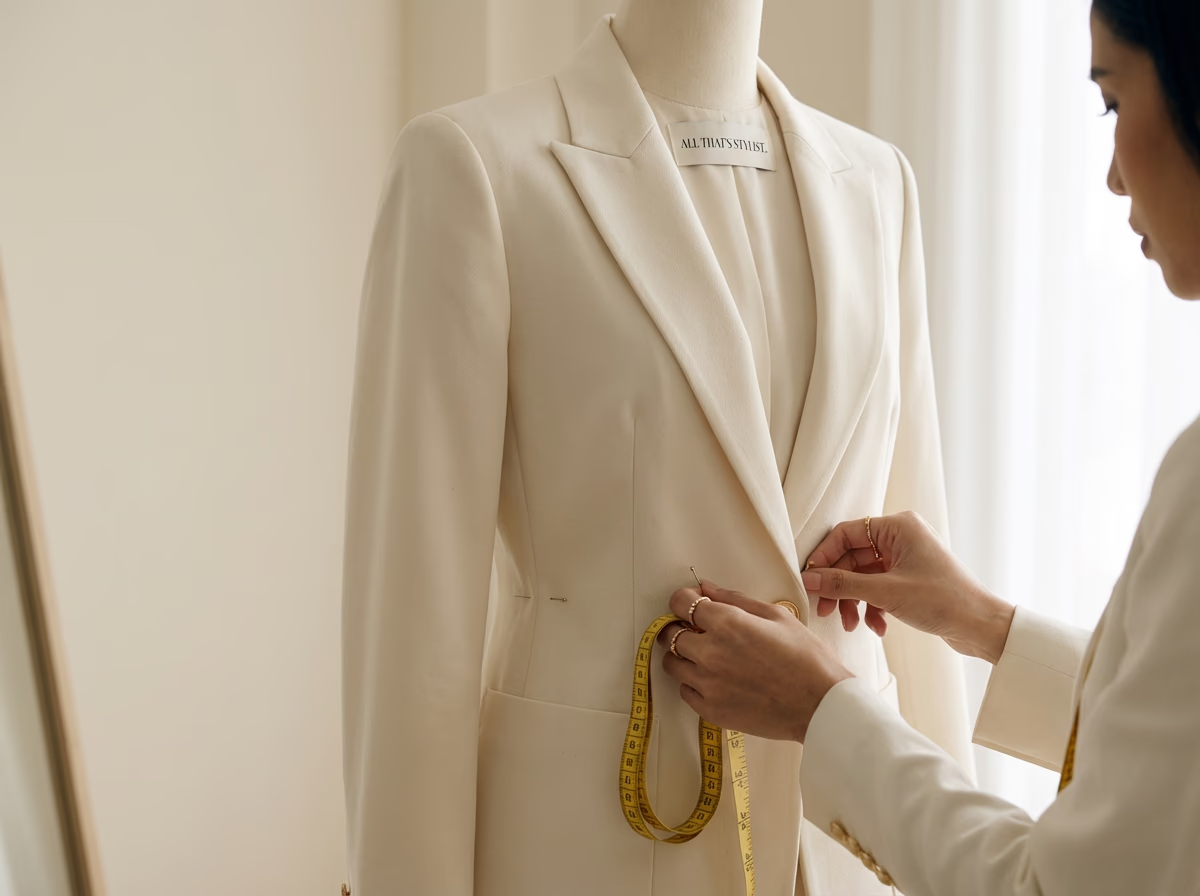
Proportion Dressing
Proportion dressing is the practice of creating visual balance in an outfit by managing the relative size, length, and volume of each garment piece. Rather than following rigid body-shape rules, proportion dressing uses strategic silhouette choices to elongate, balance, or define the body, making any outfit look intentional and polished.
Silhouette Types
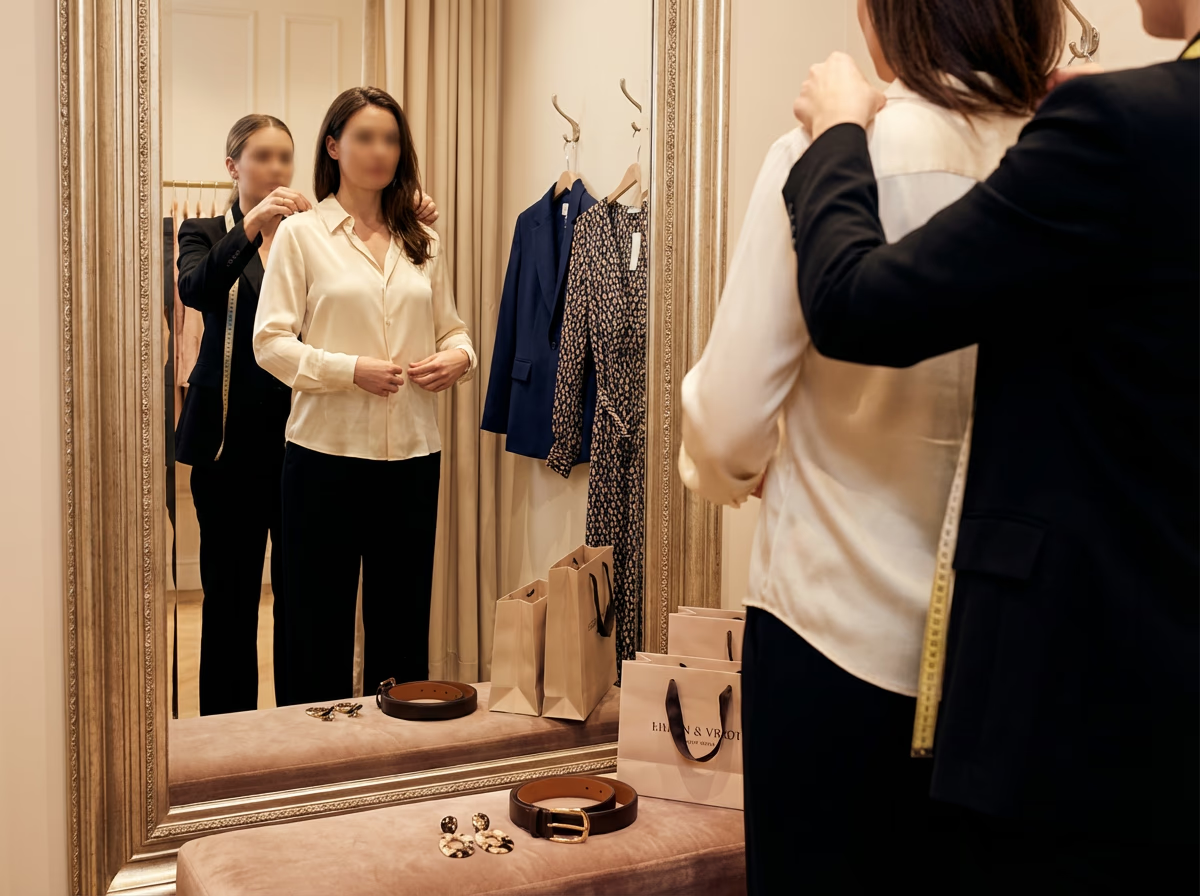
Fashion silhouette types refer to the overall outline or shape a garment creates on the body, including A-line, column, fit-and-flare, cocoon, and hourglass. Understanding silhouettes helps you predict how a piece will look when worn, making it easier to dress for your proportions and achieve your desired visual effect.
Style Movements
Old Money Aesthetic
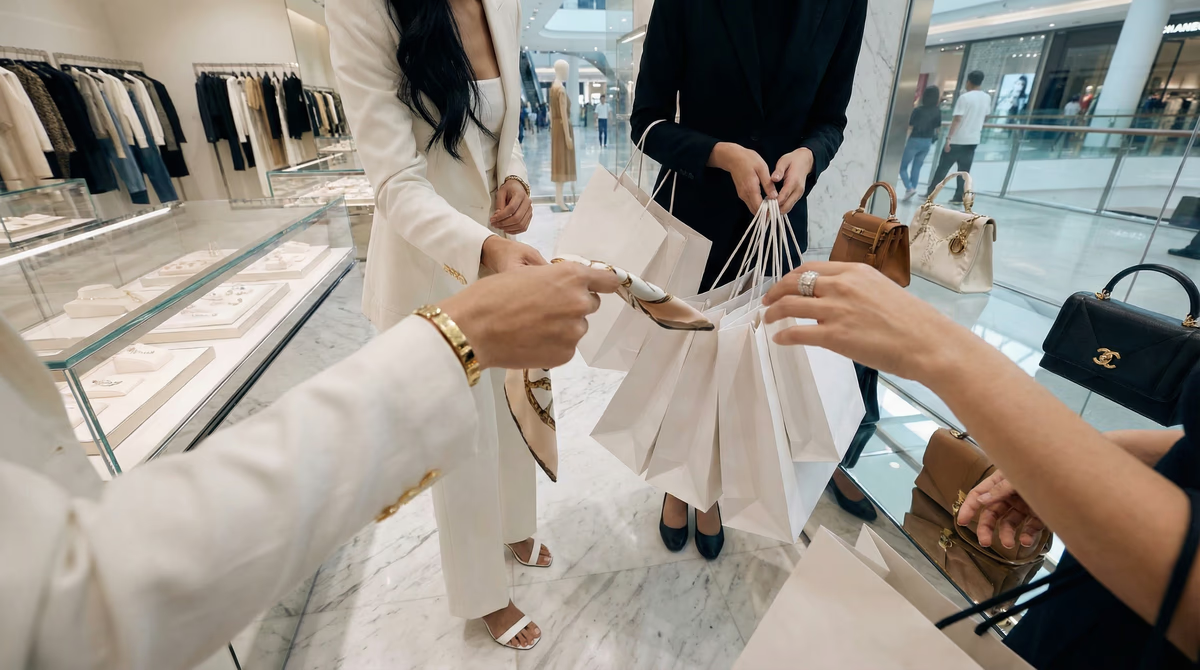
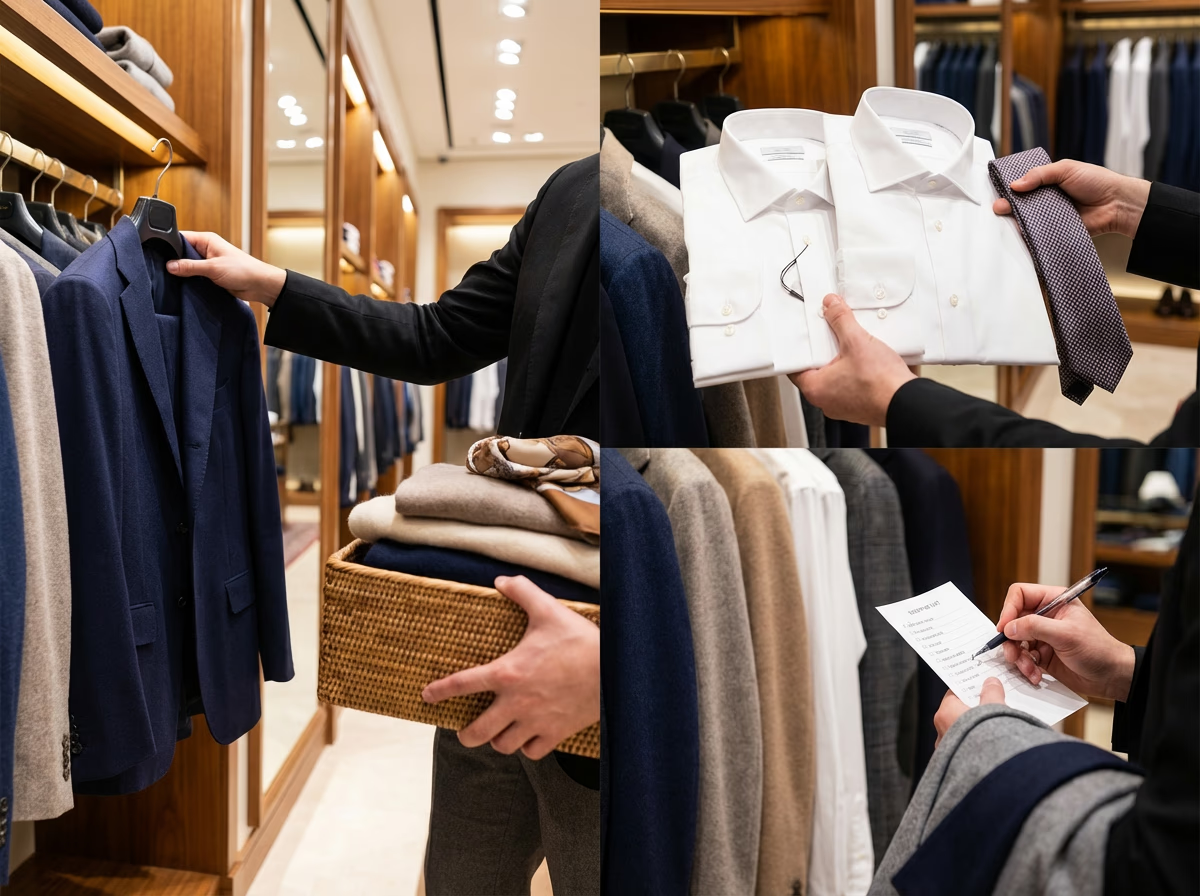
The old money aesthetic is a style movement inspired by the understated dressing of generational wealth — think tailored blazers, quality knitwear, neutral palettes, and heritage brands chosen for craftsmanship over logos. It emphasizes looking effortlessly polished rather than deliberately styled, drawing from Ivy League, European aristocratic, and country-club references.
Timeless Style vs Trendy
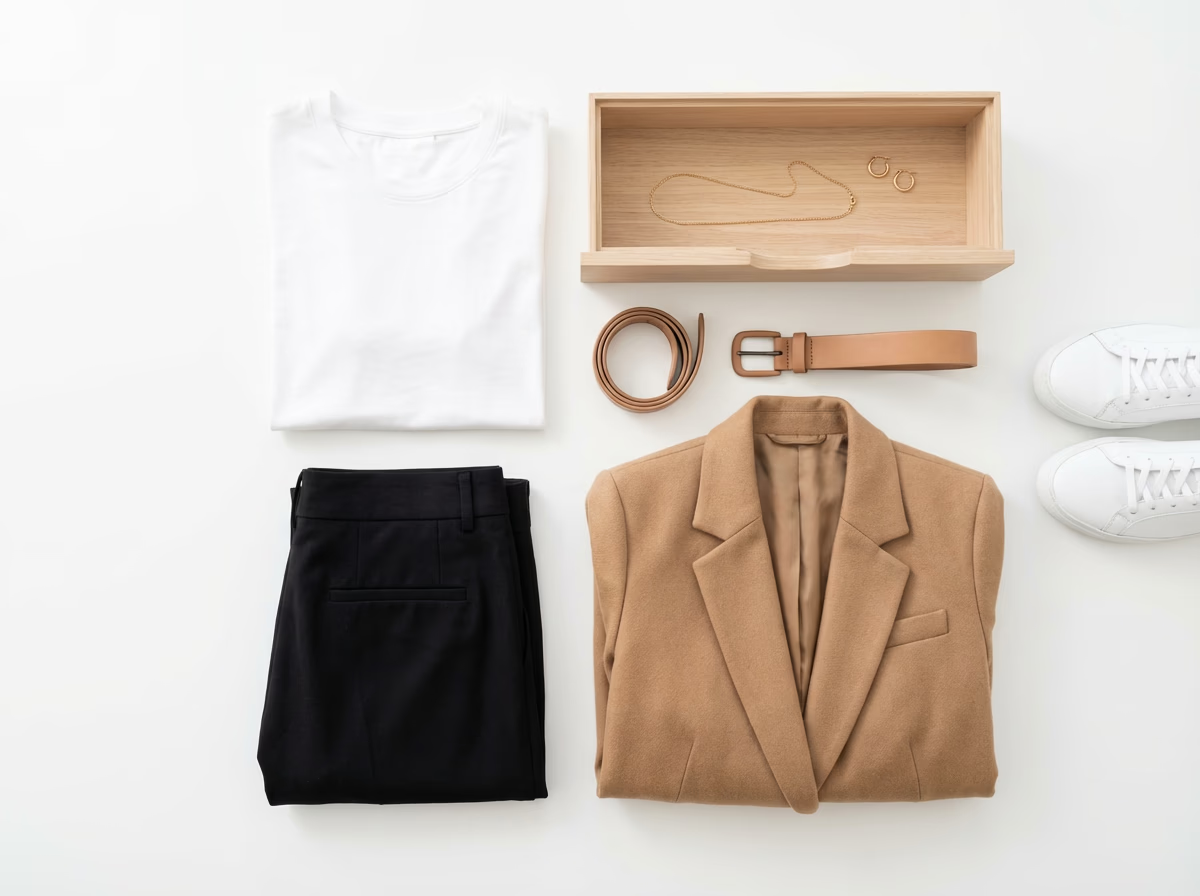
Timeless style refers to clothing and aesthetics that remain relevant across years and decades, while trendy fashion follows short-term cycles that peak and fade. The smartest approach is not choosing one over the other but blending both — building a foundation of timeless pieces and incorporating trends selectively through affordable, low-commitment additions.
Tailoring & Construction
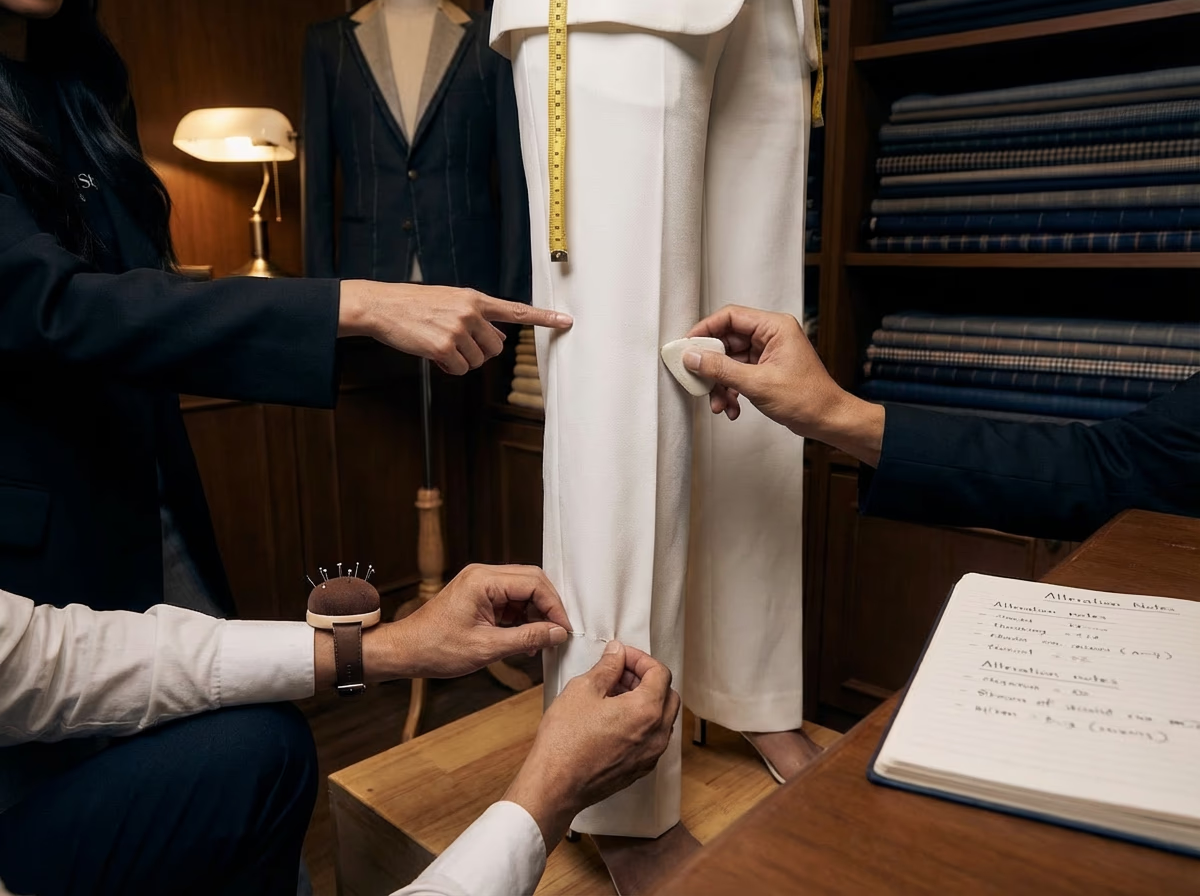
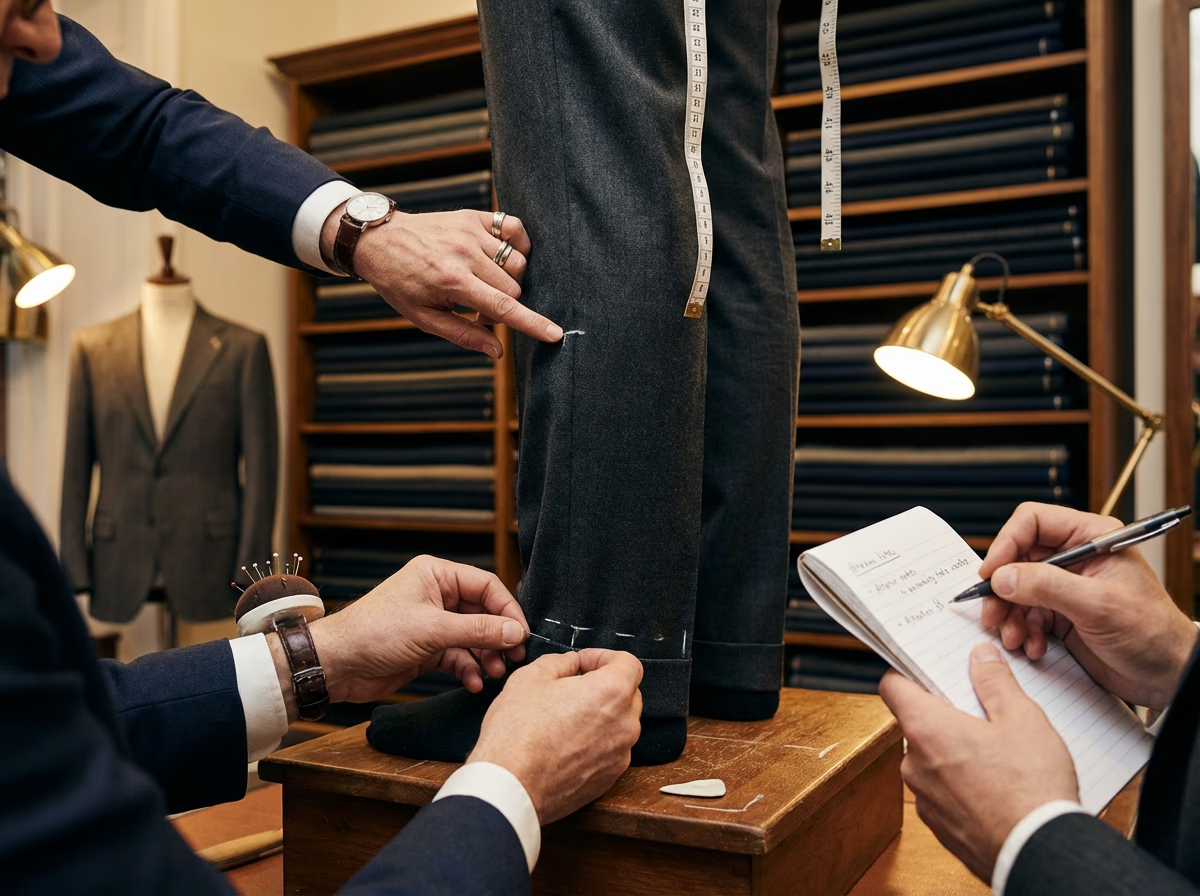
Bangkok Tailoring Guide
Bangkok tailoring offers custom suits, shirts, and garments at a fraction of Western prices, but quality varies enormously between tourist-trap operations and skilled craftspeople. A successful Bangkok tailoring experience requires choosing the right tailor, allowing adequate time for fittings, understanding fabric quality, and knowing the difference between made to measure and genuine bespoke construction.
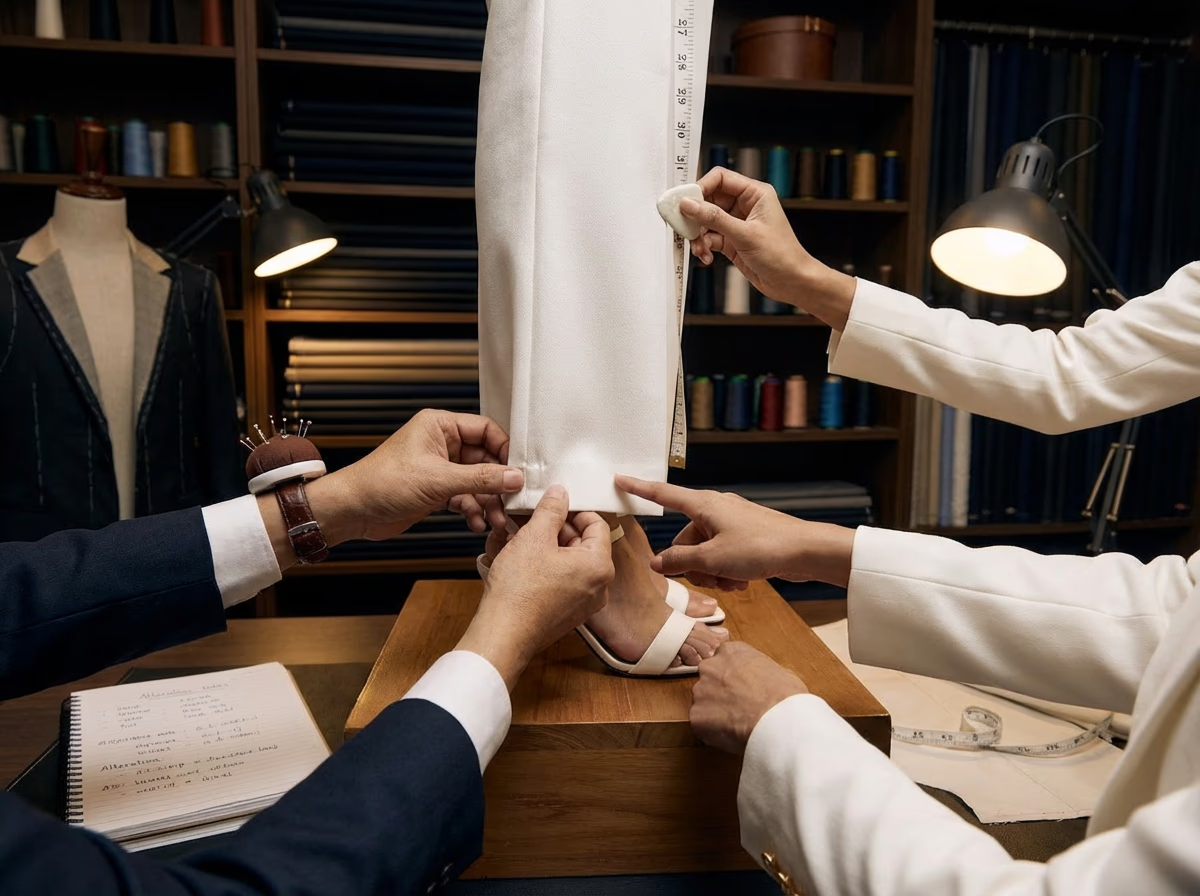
Made to Measure vs Bespoke
Made to measure (MTM) adjusts an existing garment pattern to your measurements, while bespoke creates a completely new pattern from scratch for your body. MTM offers better fit than off-the-rack at moderate cost and faster turnaround, while bespoke delivers the highest level of customization, fit, and craftsmanship at a premium price and longer timeline.
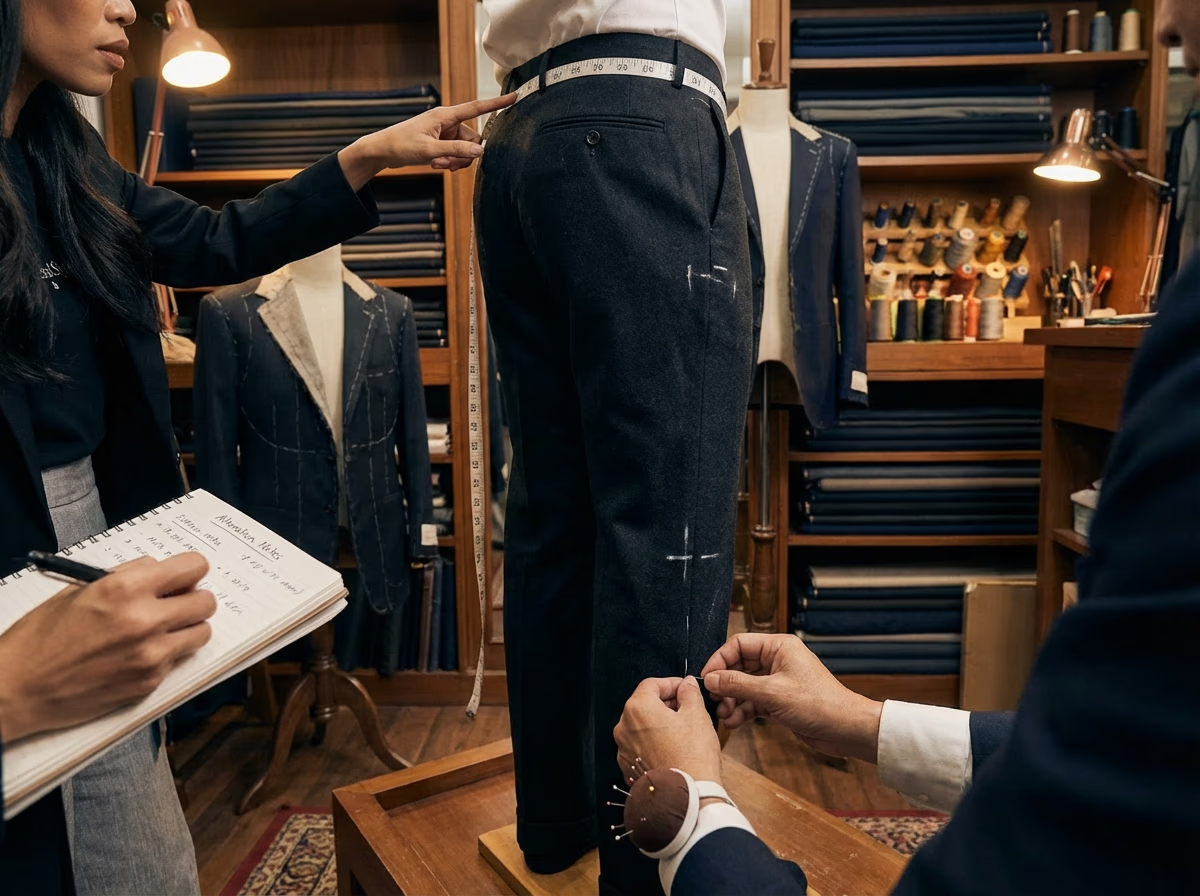
Lightweight Tailoring
Lightweight tailoring refers to suits, blazers, and structured garments constructed with breathable fabrics, minimal lining, and relaxed construction methods specifically designed for hot and humid climates. Key techniques include half-canvas or unstructured builds, open-weave fabrics like fresco and tropical wool, and design details that maximize airflow while maintaining a polished appearance.
Dress Codes
Business Casual Decoded
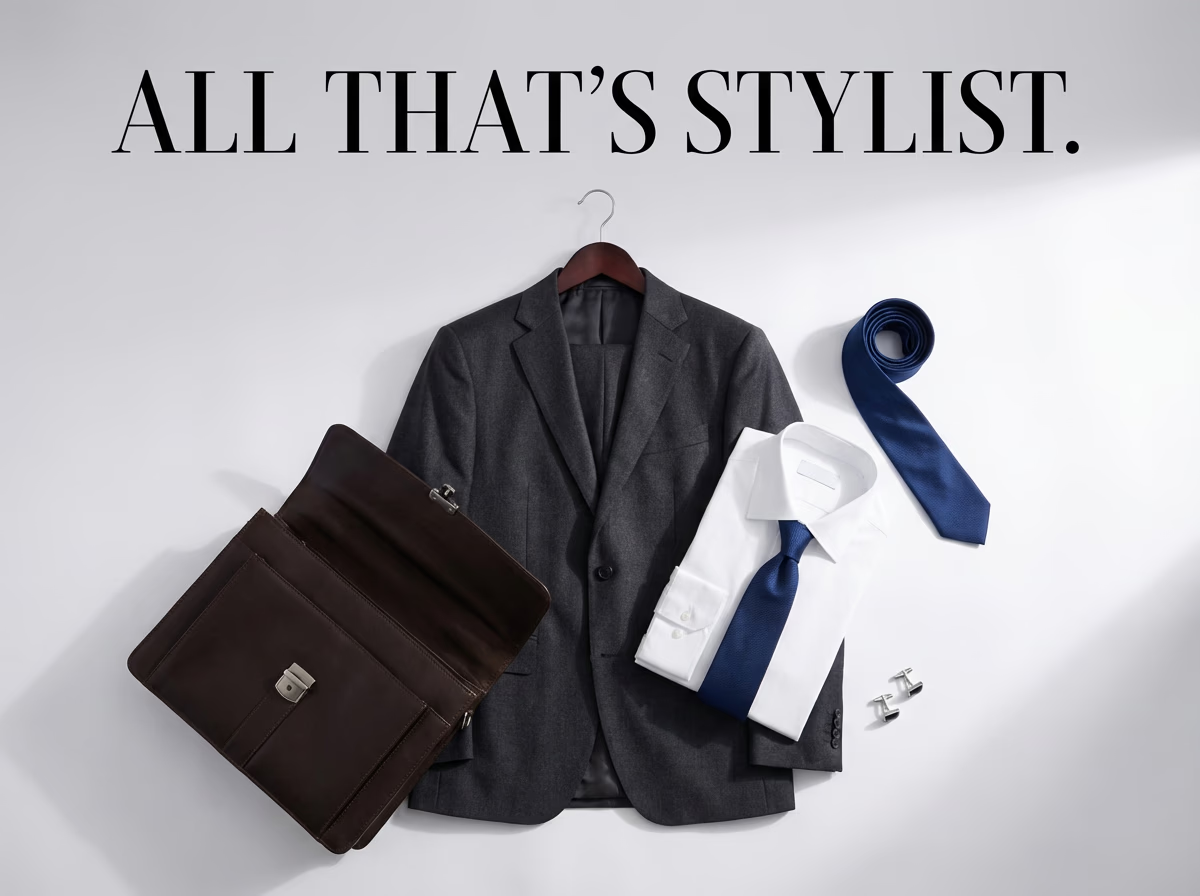
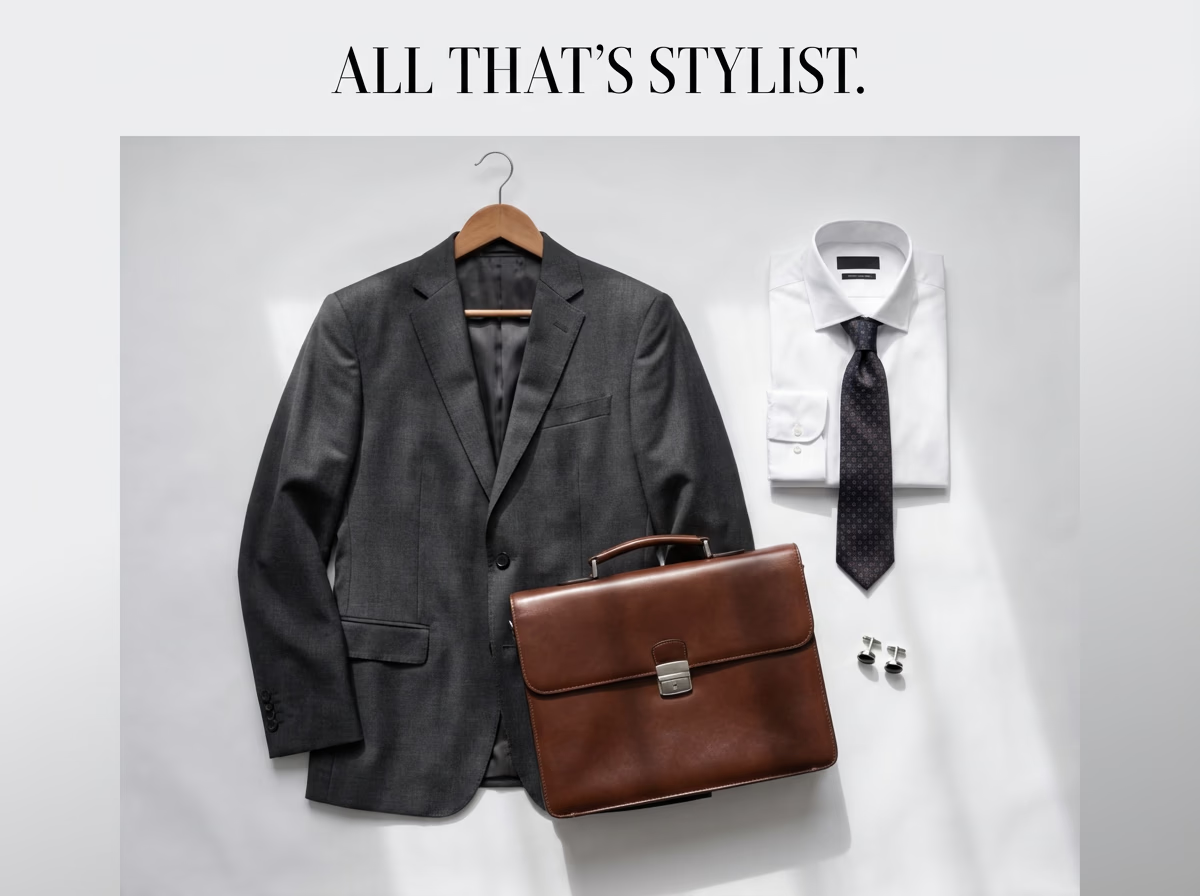
Business casual is a workplace dress code that balances professional appearance with everyday comfort — more relaxed than traditional business formal but still polished enough for client interactions. Modern business casual typically includes tailored trousers or chinos, collared shirts or quality blouses, optional blazers, and leather or refined footwear, with the exact interpretation varying by industry and company culture.
Tropical Business Casual
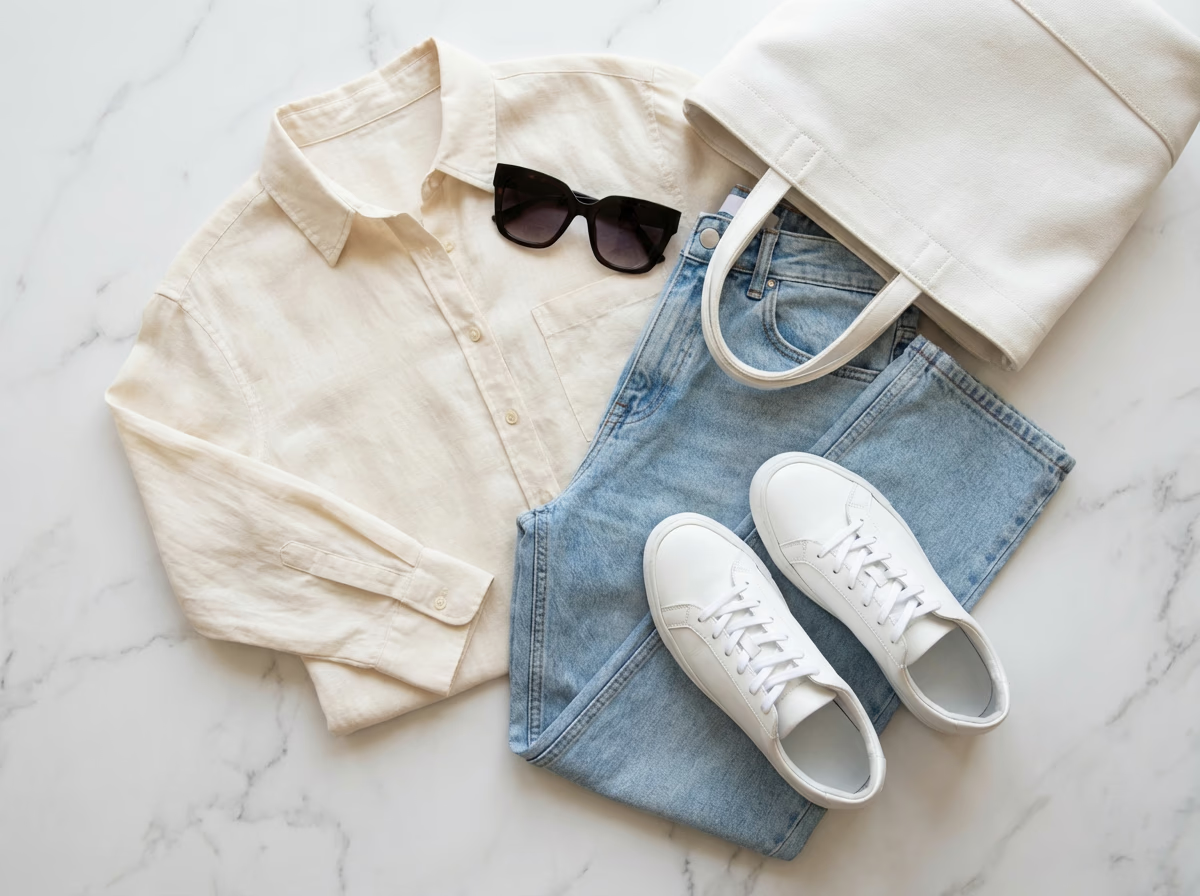
Tropical business casual adapts the standard business casual dress code for hot, humid climates by emphasizing breathable fabrics, lighter construction, and practical concessions like short sleeves and open-collar shirts — while maintaining the polished, professional appearance that the workplace demands. It is the dominant office dress code in Bangkok and other Southeast Asian business centers.
Dress Code Guide
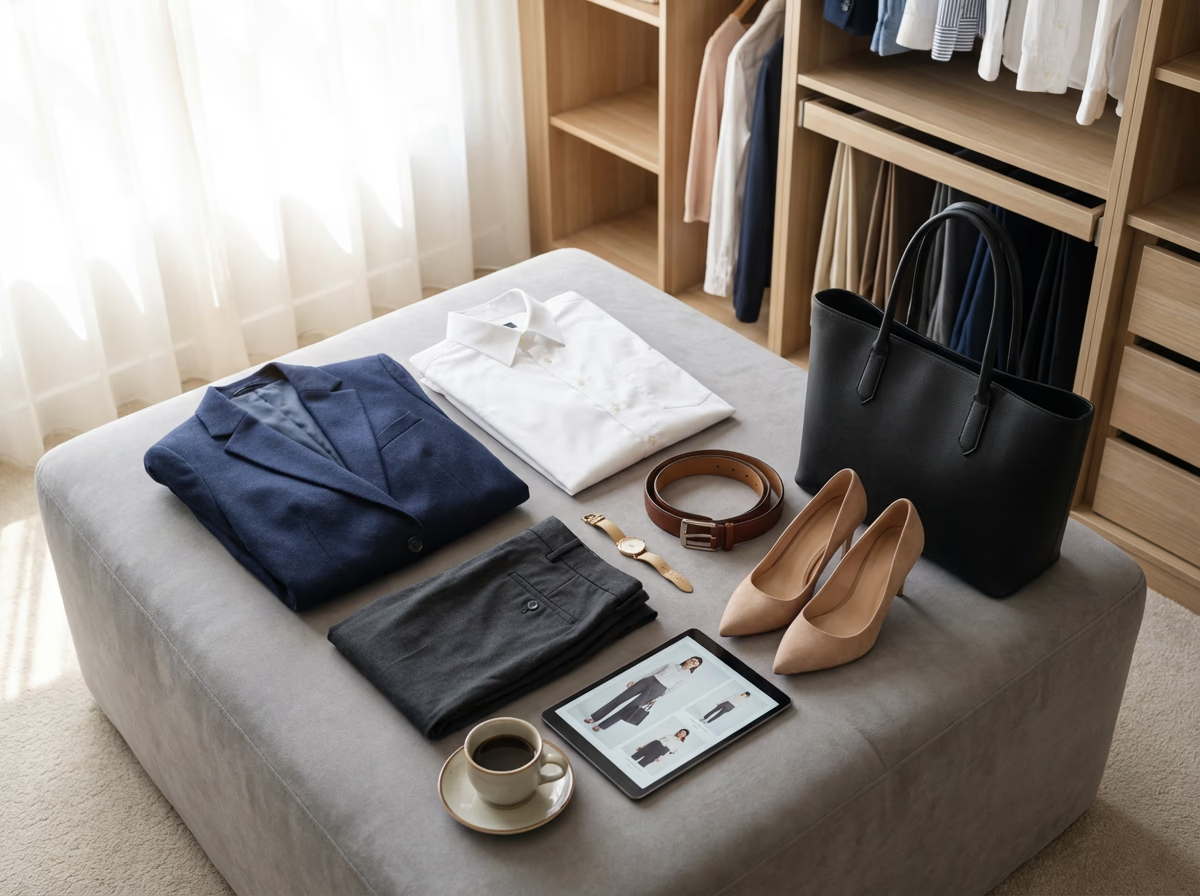
A dress code guide explains the spectrum of clothing expectations across social and professional settings — from white tie and black tie through business formal, business casual, smart casual, and casual. Each code has specific conventions for garments, fabrics, and accessories, and understanding them prevents the embarrassment of arriving inappropriately dressed for any occasion.
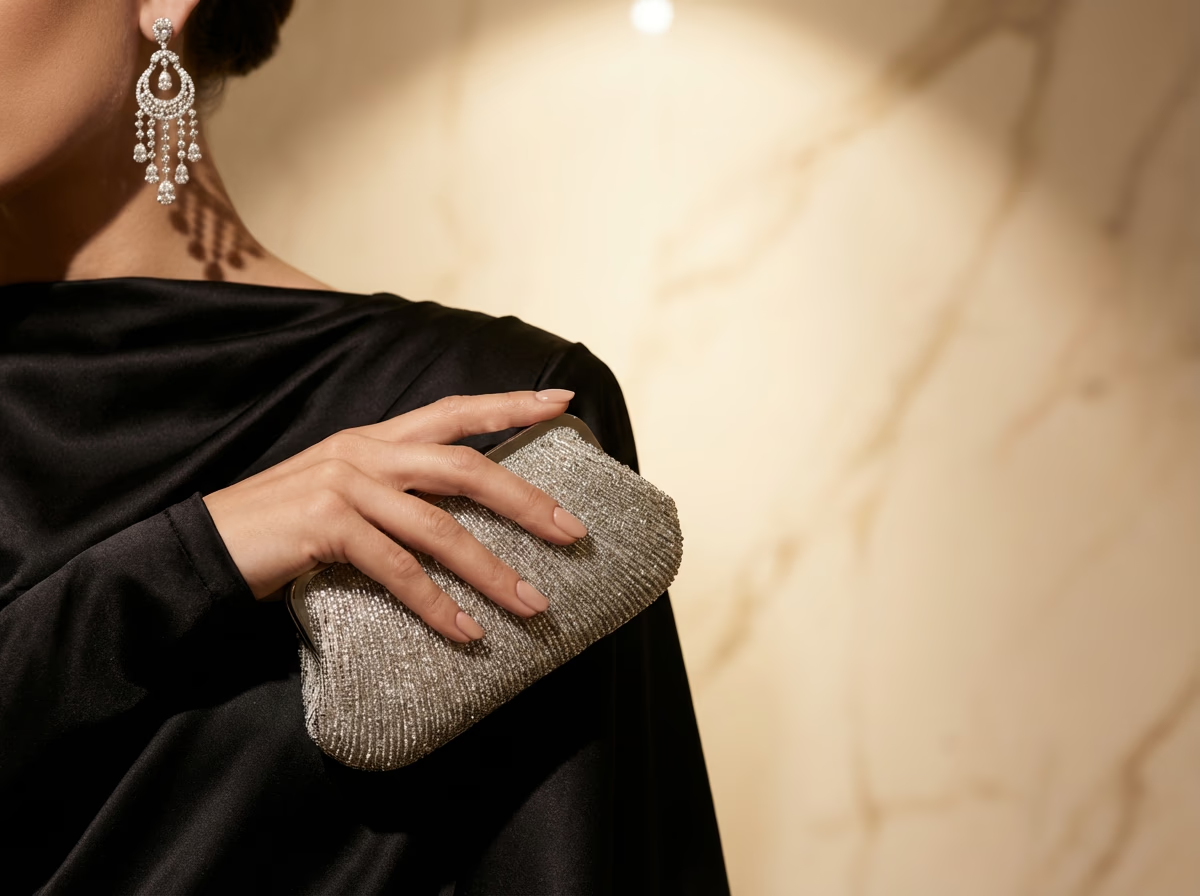
Black Tie Guide
Black tie is a formal dress code requiring a tuxedo or dinner suit for men and a floor-length gown, cocktail dress, or formal jumpsuit for women. While the core rules remain — dark colors, refined fabrics, minimal accessories — modern black tie has evolved to allow more personal expression, particularly for women, while still maintaining the elevated formality that distinguishes it from all other dress codes.
Men's Styling
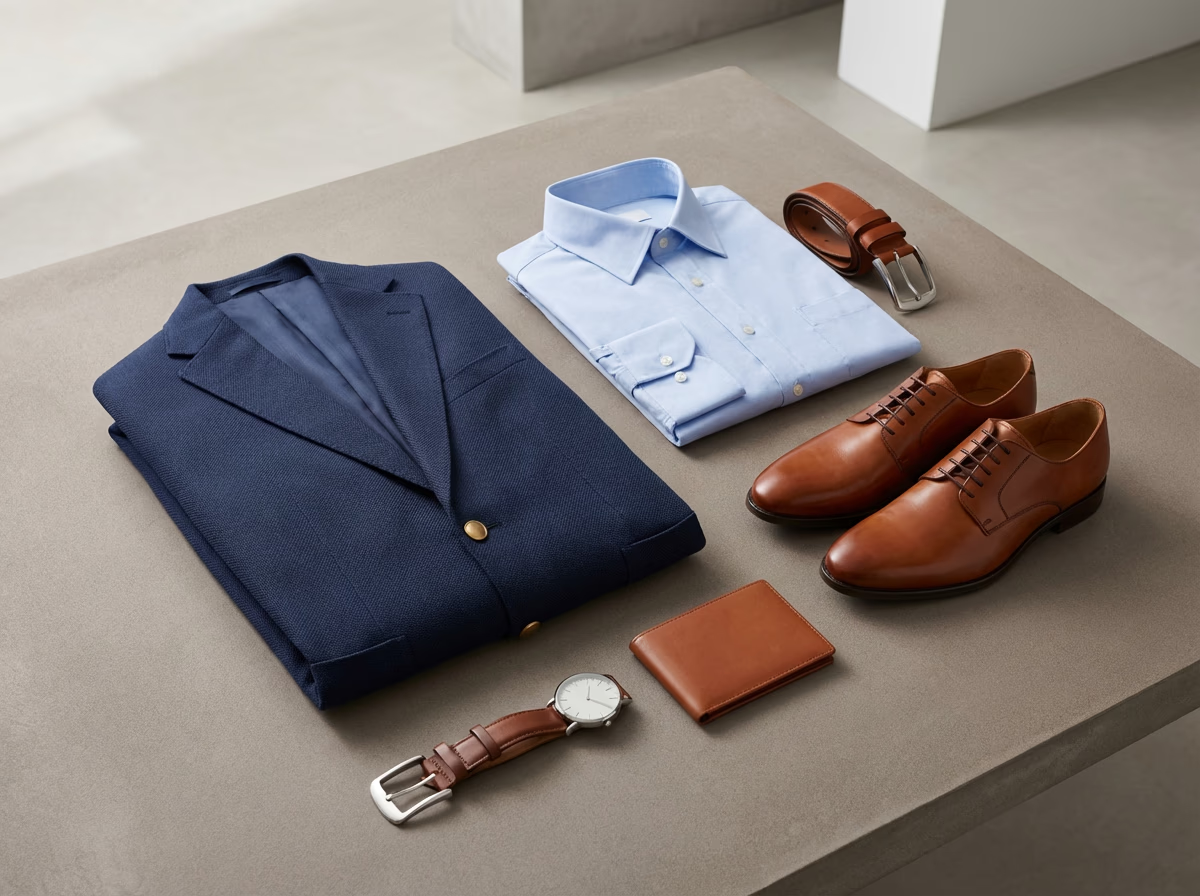
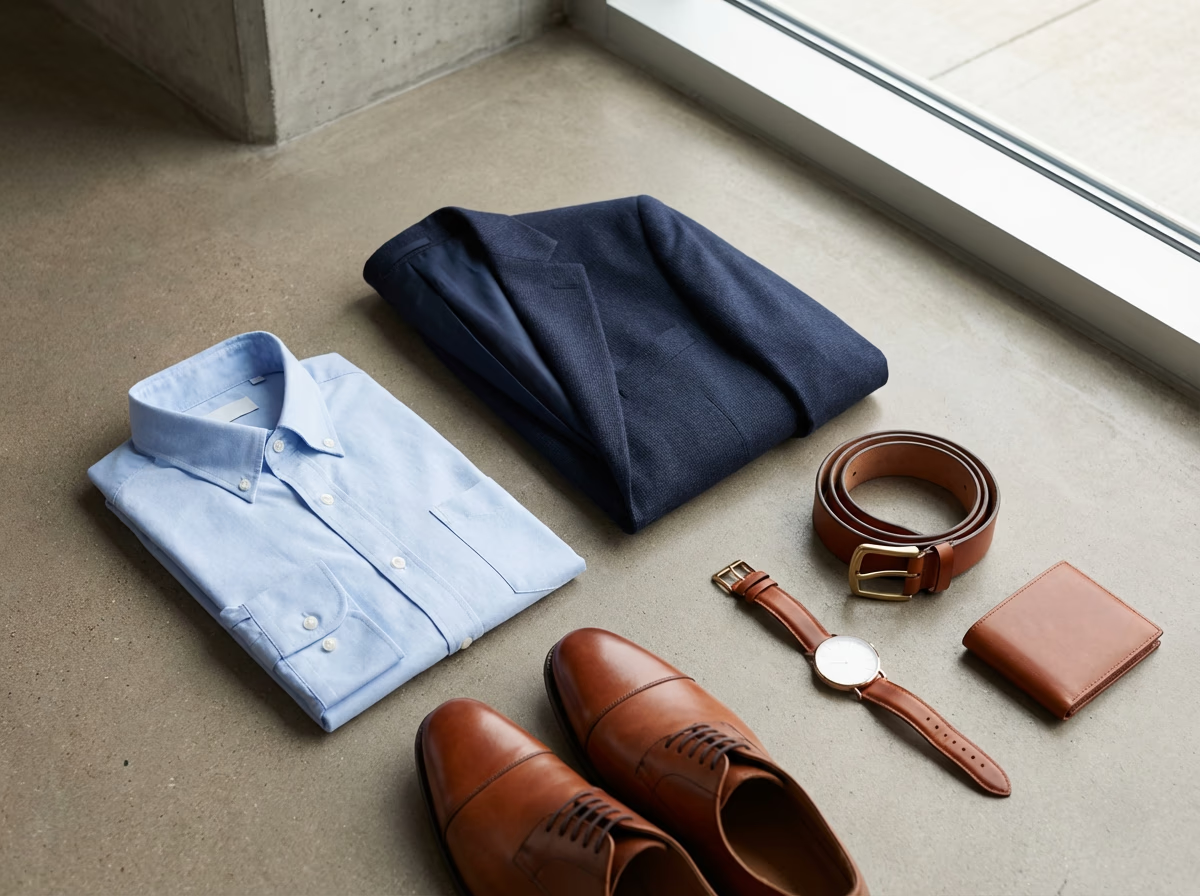
Business Casual for Men
Business casual for men is a workplace dress code that replaces the traditional suit and tie with tailored separates — typically chinos or wool trousers, a collared shirt, and optional blazer with leather or refined casual footwear. The 2026 interpretation balances professional polish with modern comfort, allowing knit polos, clean sneakers, and even well-fitted dark jeans in many office environments.
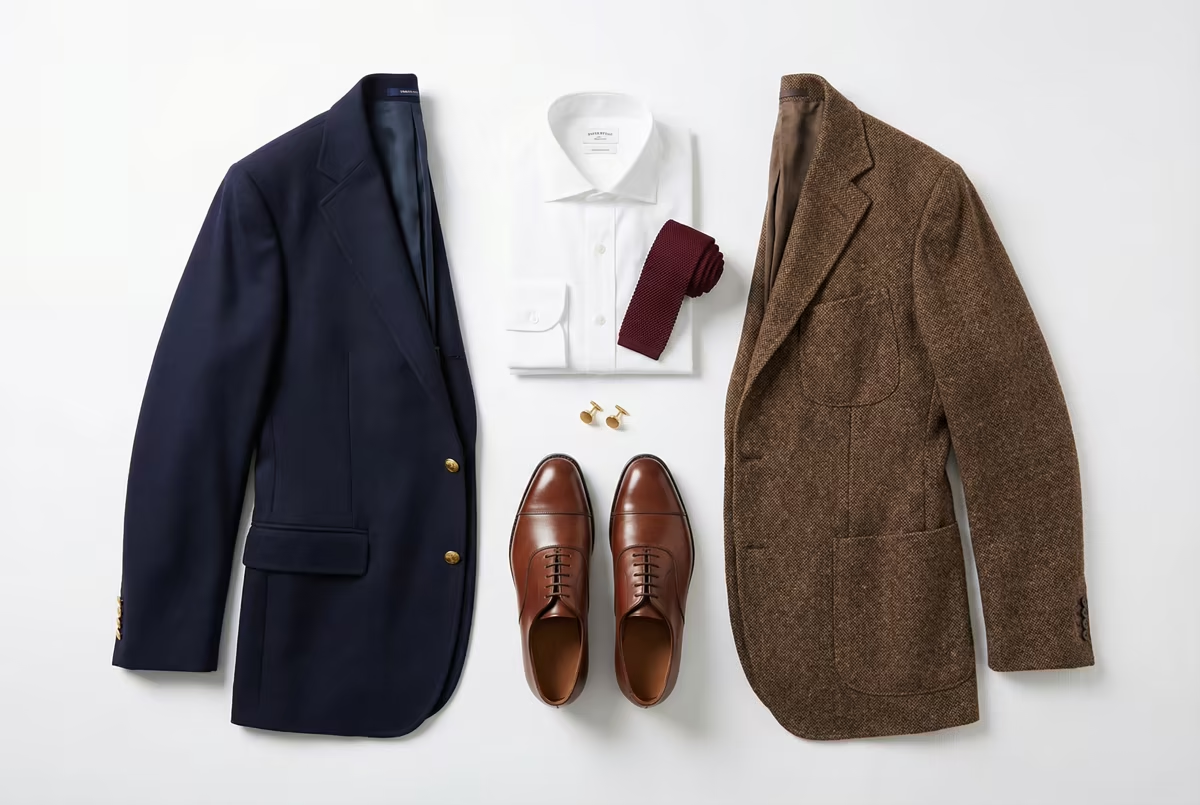
Sport Coat vs Blazer
A blazer is a solid-colored, structured jacket with metal or contrasting buttons, versatile enough for both professional and social settings. A sport coat features patterns or textures and a more relaxed construction, designed for casual and smart casual occasions. A suit jacket is made to be worn exclusively with its matching trousers, not as a standalone piece.
Chinos Guide
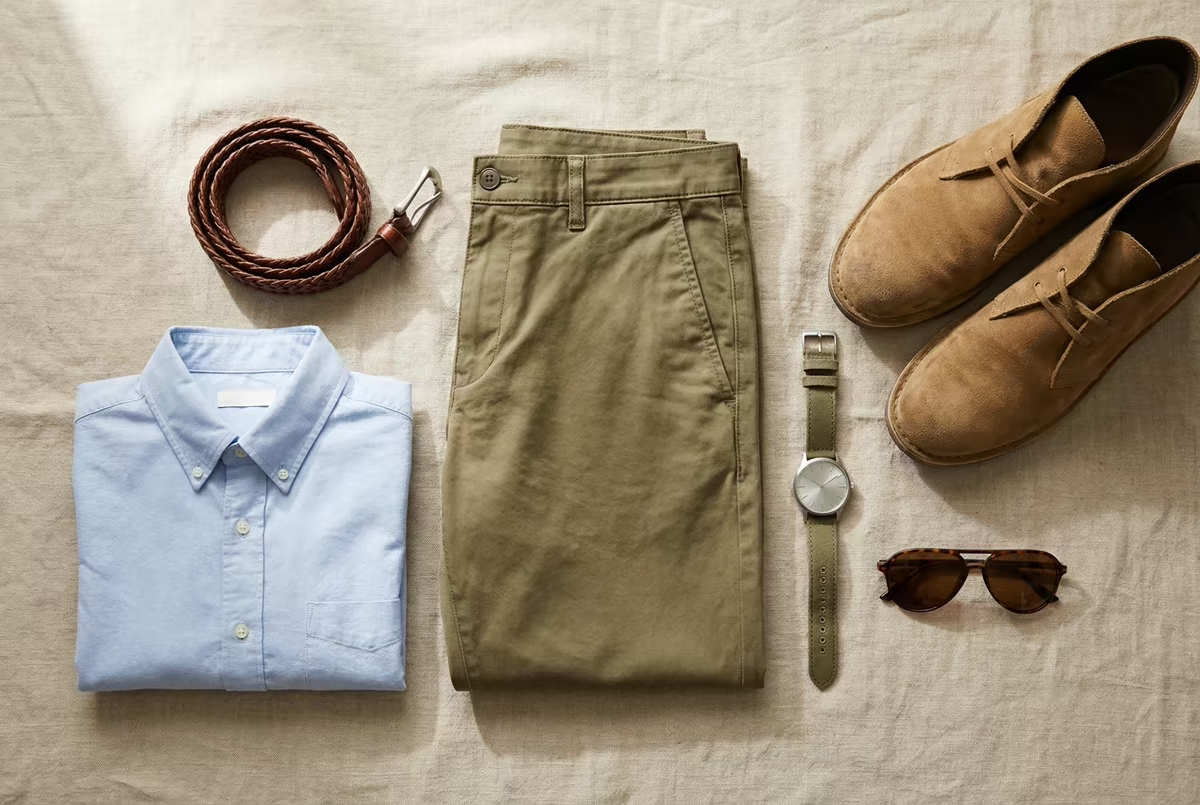
Chinos are lightweight, cotton-twill trousers originally designed for military use that have become the most versatile trouser in modern menswear. Available in slim, straight, and relaxed fits across a wide color range, chinos bridge the gap between formal trousers and jeans, working for everything from business casual offices to weekend outings.
Women's Styling
Business Casual for Women
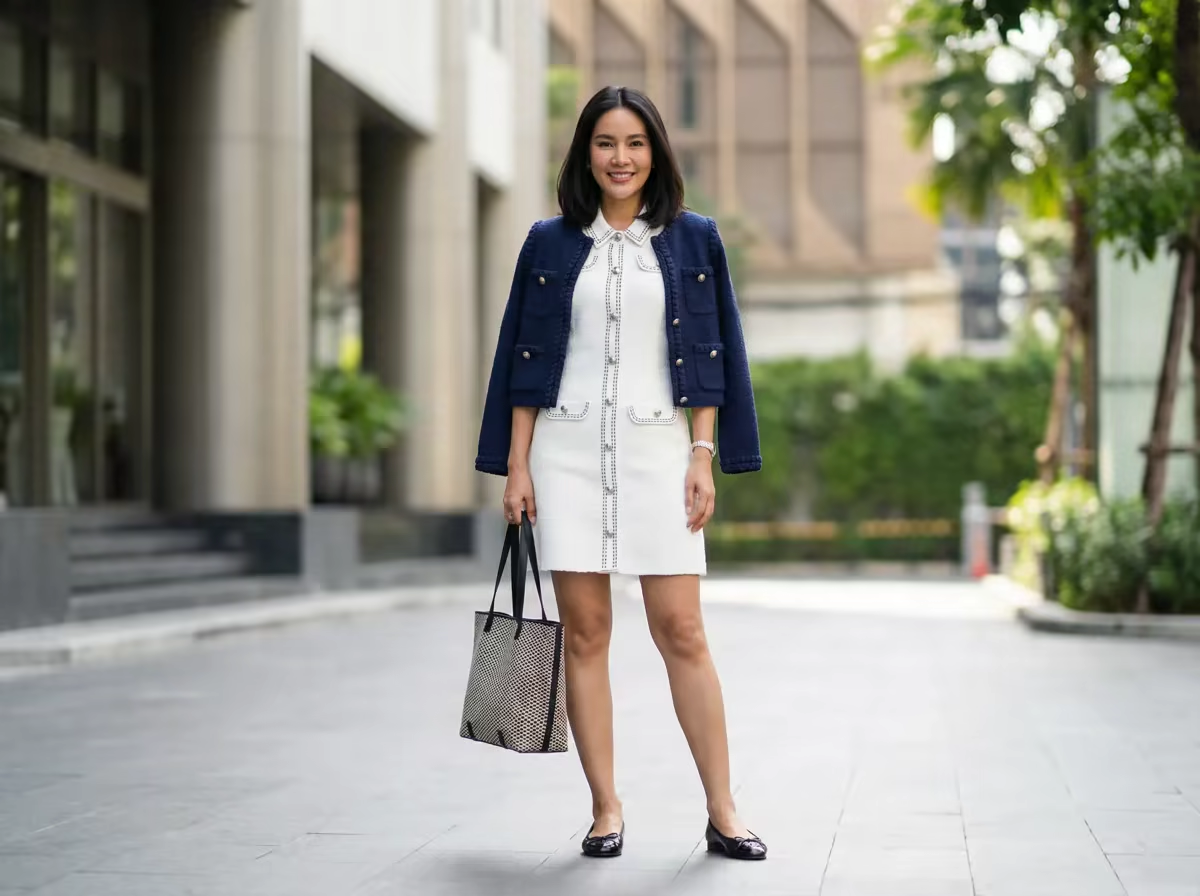
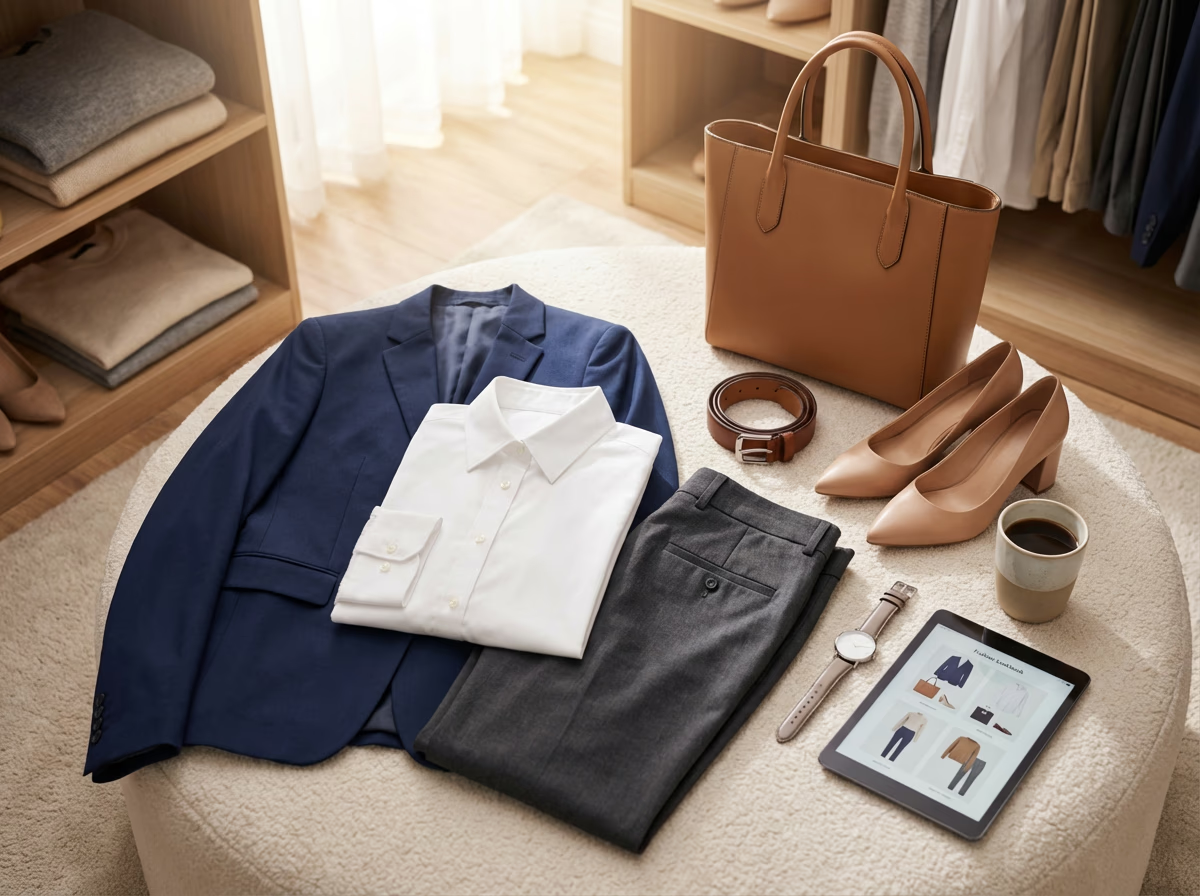
Business casual for women is a workplace dress code that replaces formal suits with polished separates — tailored trousers, quality blouses, knit tops, midi skirts, and versatile dresses paired with refined footwear. The modern interpretation offers more flexibility than ever in silhouettes, colors, and self-expression while maintaining the professional polish expected in client-facing and corporate environments.
Day-to-Night Dressing
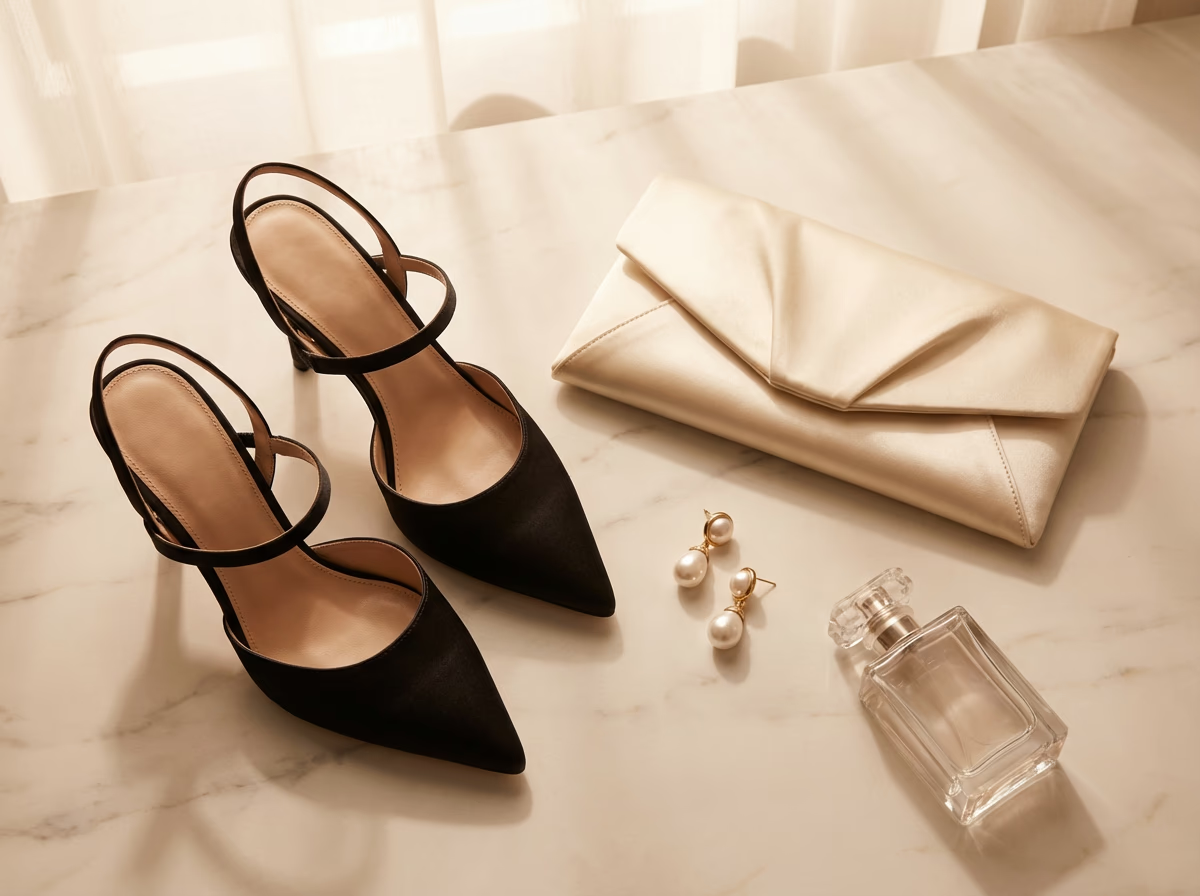
Day-to-night dressing is the strategy of building outfits that transition from daytime activities (work, meetings, errands) to evening events (dinners, drinks, social gatherings) with minimal changes. Rather than carrying a full change of clothes, it relies on swap pieces — shoes, accessories, layers, and hair — that shift the same core outfit from professional or casual to evening-appropriate.
Jewelry Layering
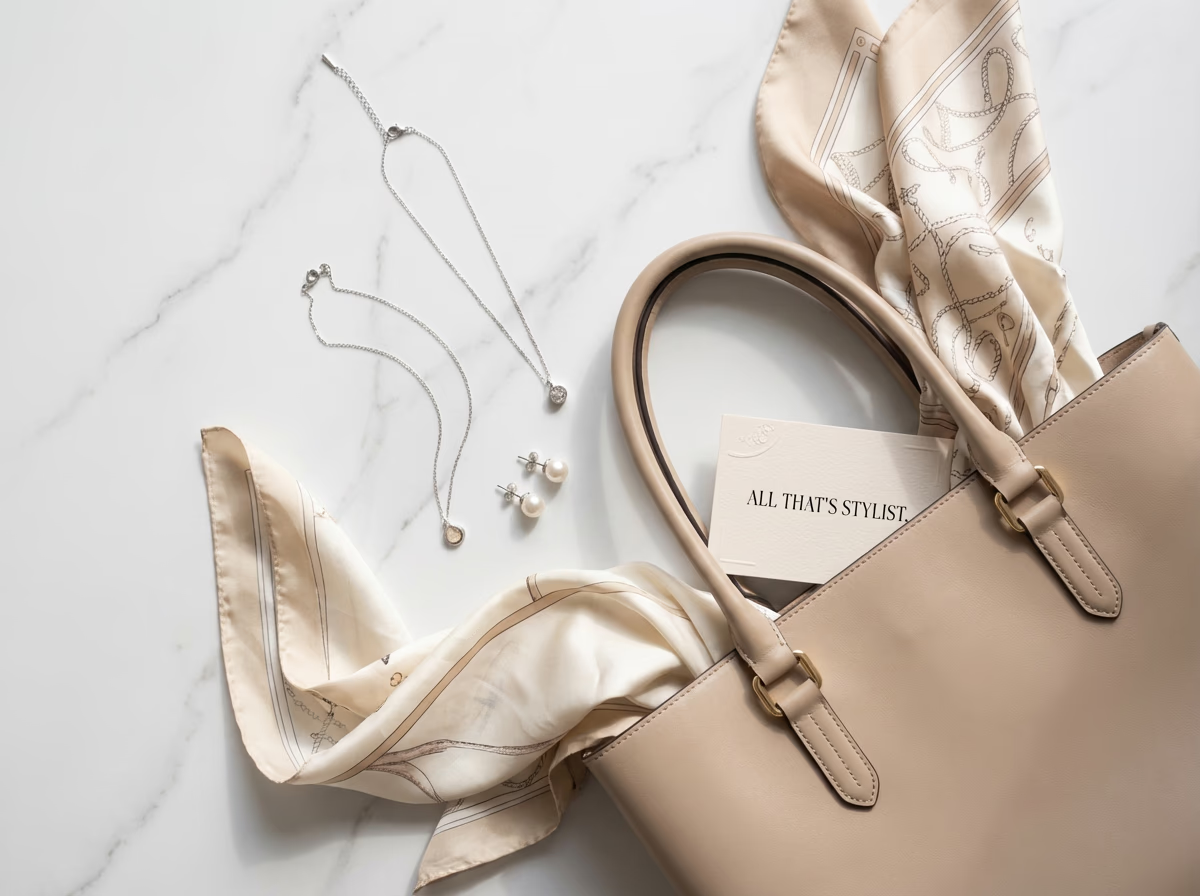
Jewelry layering is the technique of combining multiple necklaces, rings, bracelets, or earrings in a single look to create visual depth and personal expression. The key to successful layering is varying lengths, textures, and thicknesses while maintaining a cohesive metal palette — resulting in a curated, intentional appearance rather than a cluttered one.
Power Blazer
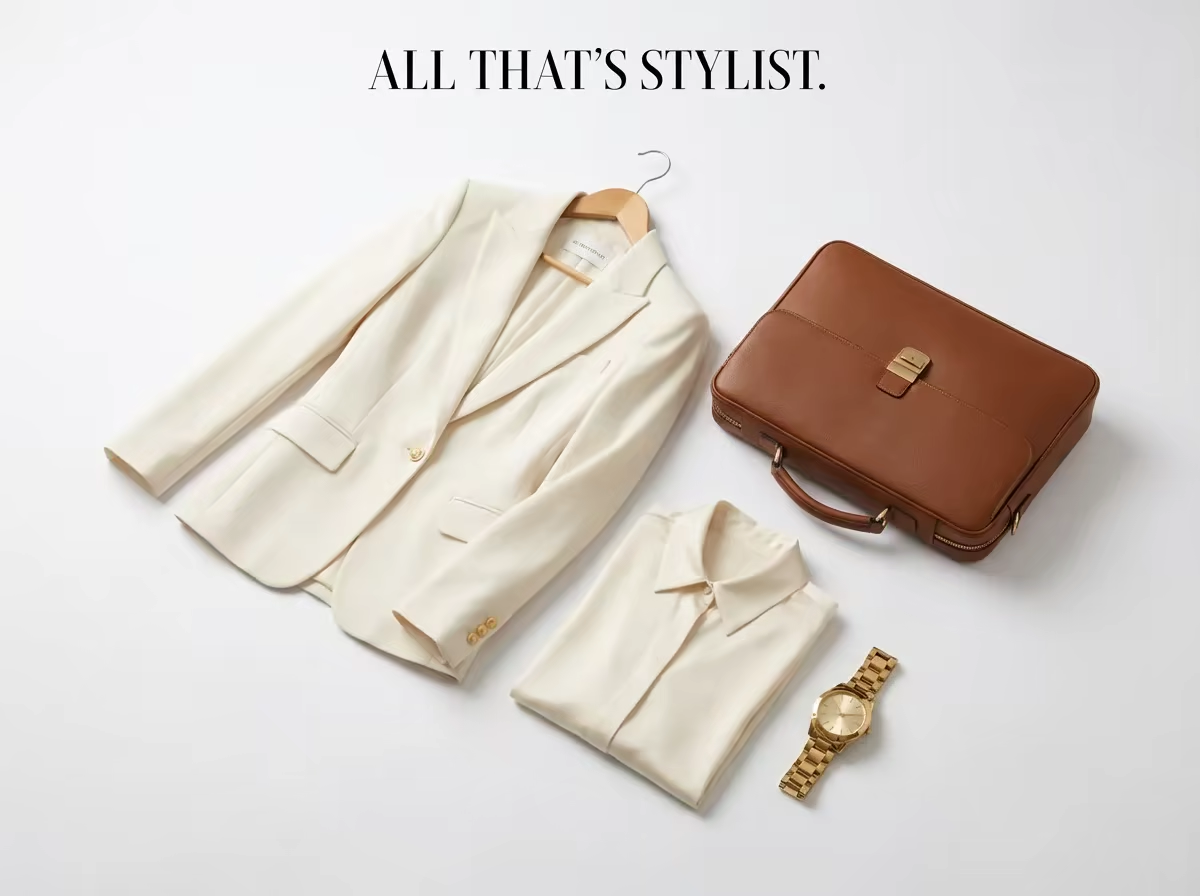
A power blazer is a woman's most versatile wardrobe piece — a well-fitted, quality blazer that transitions across contexts from boardrooms and client meetings to dinners and weekend outings. Chosen in a flattering neutral color with clean lines and quality construction, it elevates casual pieces, sharpens professional outfits, and serves as the backbone of both business casual and smart casual wardrobes.
Shopping Strategy
Signature Style
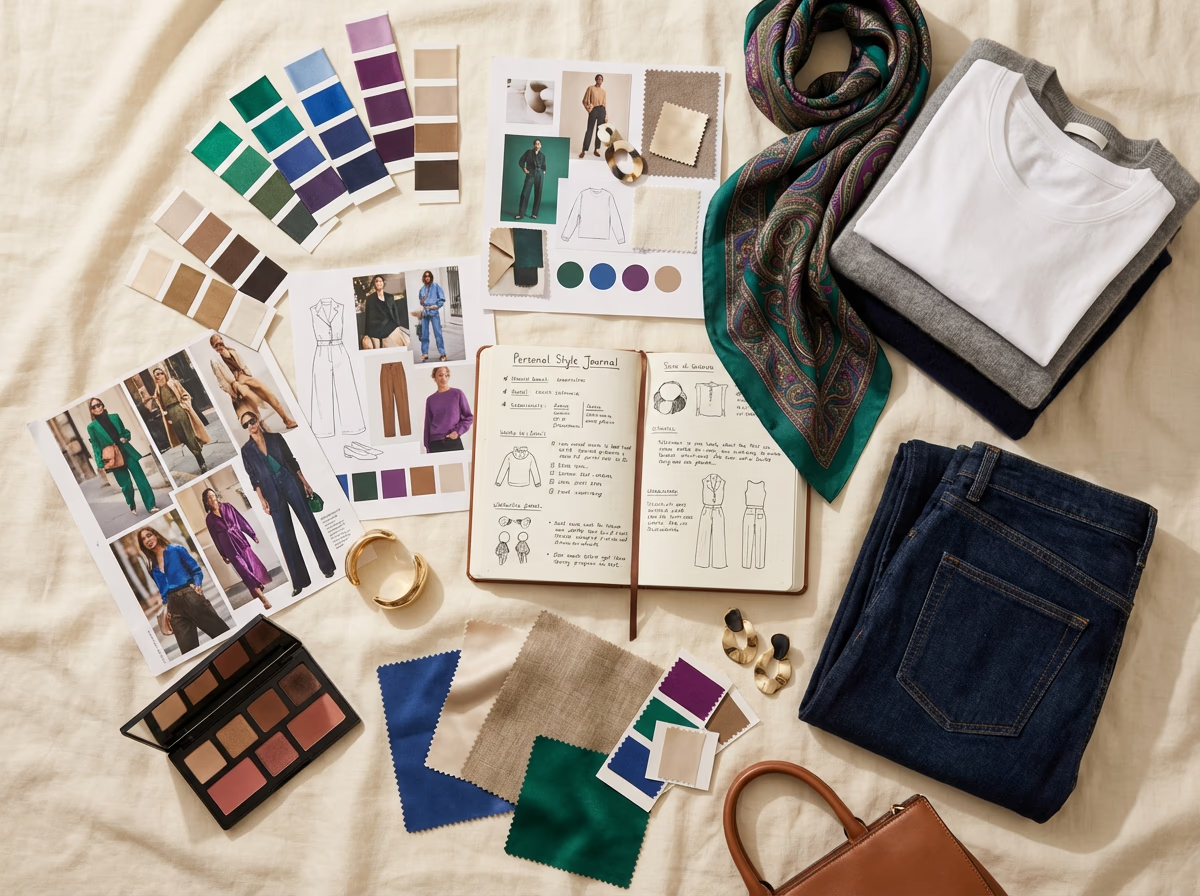
Signature style is a consistent, recognizable approach to dressing that reflects your personality, lifestyle, and aesthetic preferences. Unlike following trends or copying others, a signature style is built over time through understanding your body, your color palette, your lifestyle needs, and the visual impression you want to make — resulting in a wardrobe where everything feels authentically you.
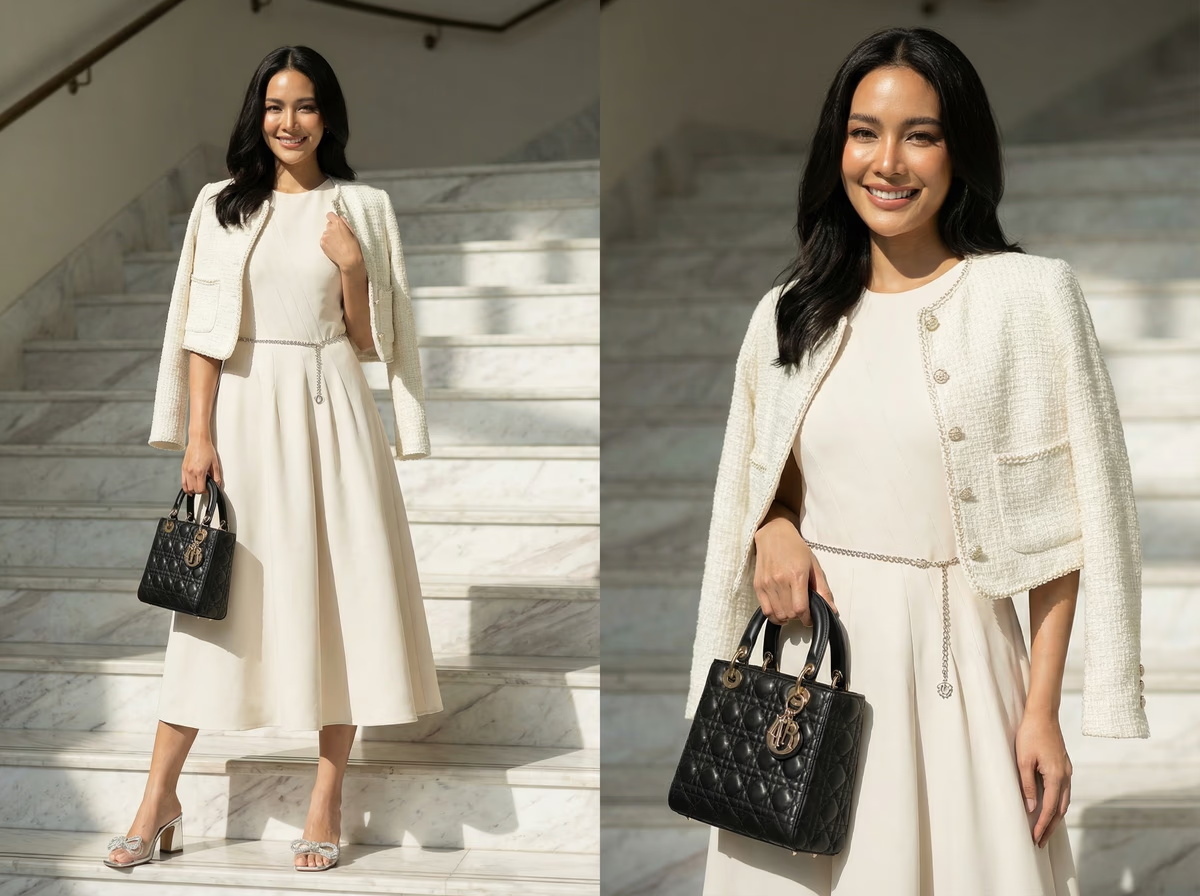
Tonal Dressing
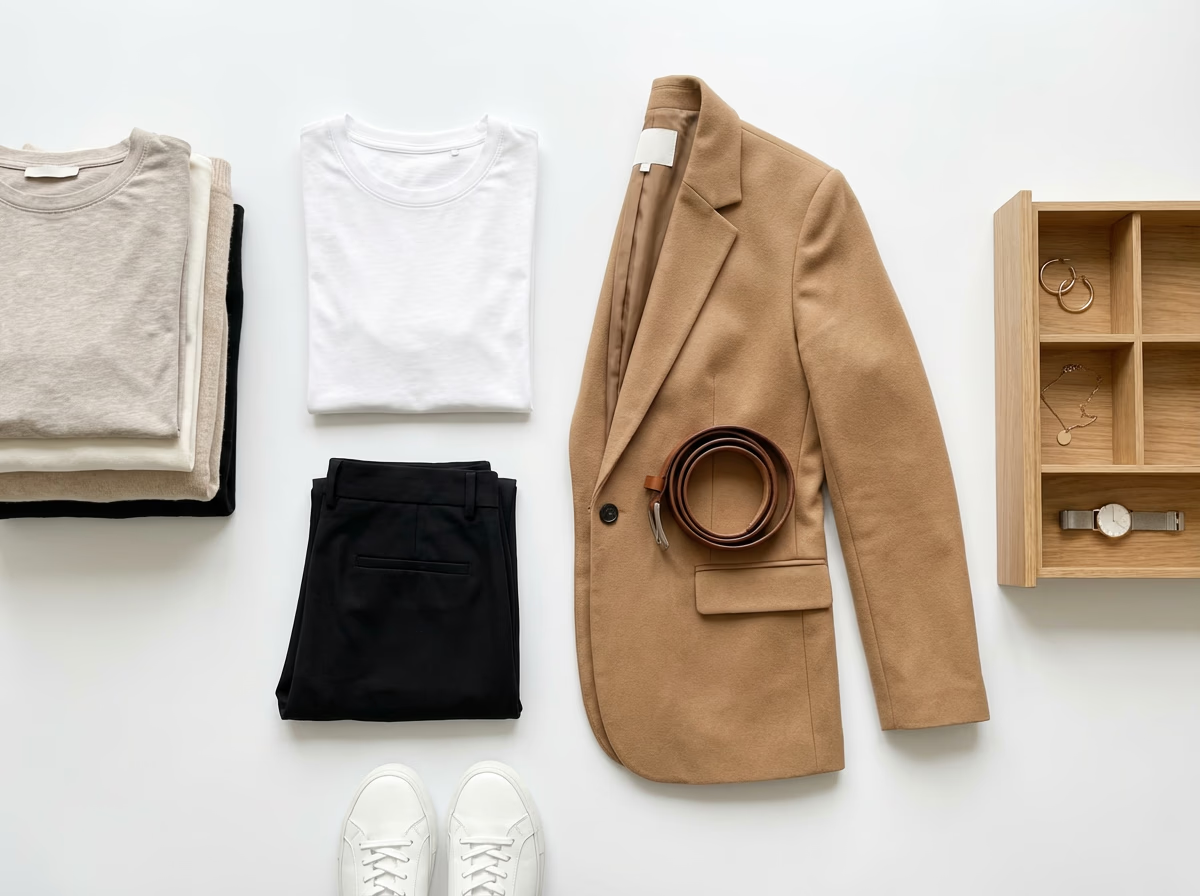
Tonal dressing is the technique of wearing multiple shades of the same color or color family in a single outfit, creating a cohesive, elongating, and visually sophisticated look. By varying tones, textures, and fabrics within one color range — such as cream, sand, and camel — you achieve depth and interest without the complexity of color matching, which is why tonal outfits consistently look polished and expensive.
Start Your
Transformation
Your new image is one conversation away. Join the list of professionals elevating their presence.
Not ready to chat? Send us a message
Leave Us a MessageYour info is private & only used to contact you back
Guaranteed
100% Satisfaction or
Complimentary Revision
Email: [email protected]
Working hours: 10:00 - 18:00 น.
Service area: Bangkok, Thailand and Online